Reading Intervention Resources for Elementary Students
A comprehensive guide to proven tools, strategies, and materials that help struggling readers in grades K–5 build essential skills and regain confidence.
Explore Reading Resources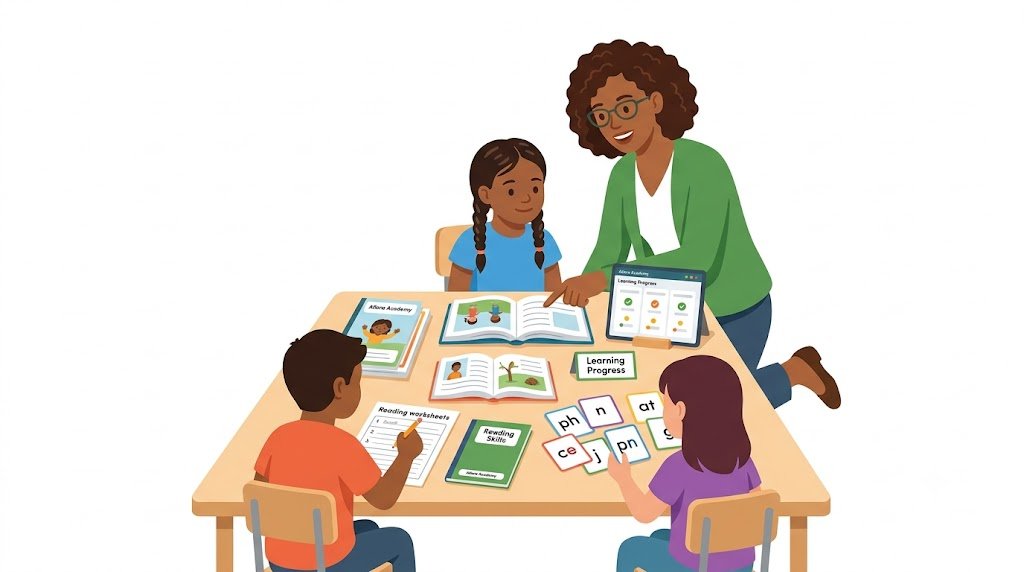
Well-chosen reading intervention resources can transform a struggling reader's experience by targeting specific skill gaps with engaging, age-appropriate materials.
Every elementary classroom includes children who find reading difficult. Some stumble over decoding. Others read fluently but grasp little of what they read. A few avoid books altogether. When these struggles persist, they affect not just reading scores but a child's entire relationship with learning. The right reading intervention resources for elementary students can change that trajectory — provided they match the child's specific needs and are used with consistency and care.
This guide is for parents, teachers, and tutors who want to understand what makes an intervention resource genuinely effective. It covers the types of materials available, how to choose them wisely, and how to use them in ways that build skills without crushing a child's motivation. For a broader look at literacy development, visit our blog, where we explore reading instruction from multiple angles.
What Are Reading Intervention Resources?
Reading intervention resources are specialized materials designed to provide targeted, additional support for children who are not meeting grade-level reading benchmarks. Unlike general classroom curricula, these resources focus intensively on specific skill gaps — phonics, fluency, vocabulary, or comprehension — and are meant to be used in small groups, one-on-one settings, or at home with guided practice.
These resources typically fall into several broad categories:
- Systematic phonics programs — Step-by-step curricula that teach letter-sound relationships in a logical sequence.
- Decodable readers — Books written with controlled vocabulary that matches the phonics patterns a child has learned.
- Fluency-building tools — Timed reading passages, phrase cards, and repeated reading protocols.
- Comprehension intervention kits — Materials that explicitly teach strategies like finding the main idea, making inferences, and summarizing.
- Multisensory learning aids — Magnetic letters, sand trays, sound-mapping mats, and other tactile tools.
- Digital intervention platforms — Adaptive software that adjusts to a child's performance and provides immediate feedback.
For a curated selection of materials organized by skill area, browse our reading resources collection. You'll find options suited to different age groups, learning styles, and intervention settings.
Why Do Some Elementary Students Need Reading Intervention?
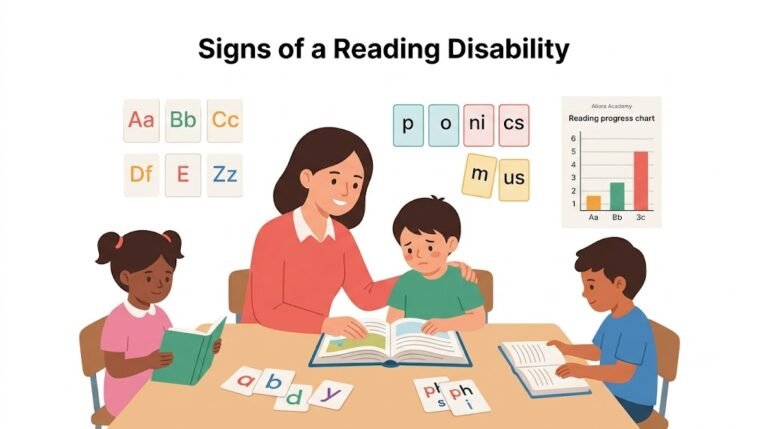
Reading difficulties rarely have a single cause. More often, they result from a combination of factors — some instructional, some developmental, and some environmental. Understanding these root causes helps you select intervention resources that address the actual problem rather than its surface symptoms.
Common reasons elementary students fall behind in reading include:
- Incomplete phonics instruction — Gaps in foundational decoding skills that make every new word a struggle.
- Insufficient practice with connected text — Children who don't read enough volume fail to build automaticity.
- Limited oral language exposure — A smaller vocabulary and weaker background knowledge make comprehension harder. This is especially relevant when choosing reading comprehension workbooks that build both skills simultaneously.
- Attention and working memory challenges — Difficulty holding onto information long enough to process a sentence or paragraph.
- Reading anxiety — Emotional barriers formed after repeated negative experiences with reading.
- Lack of access to appropriate materials — When books are consistently too hard, children learn to avoid them.
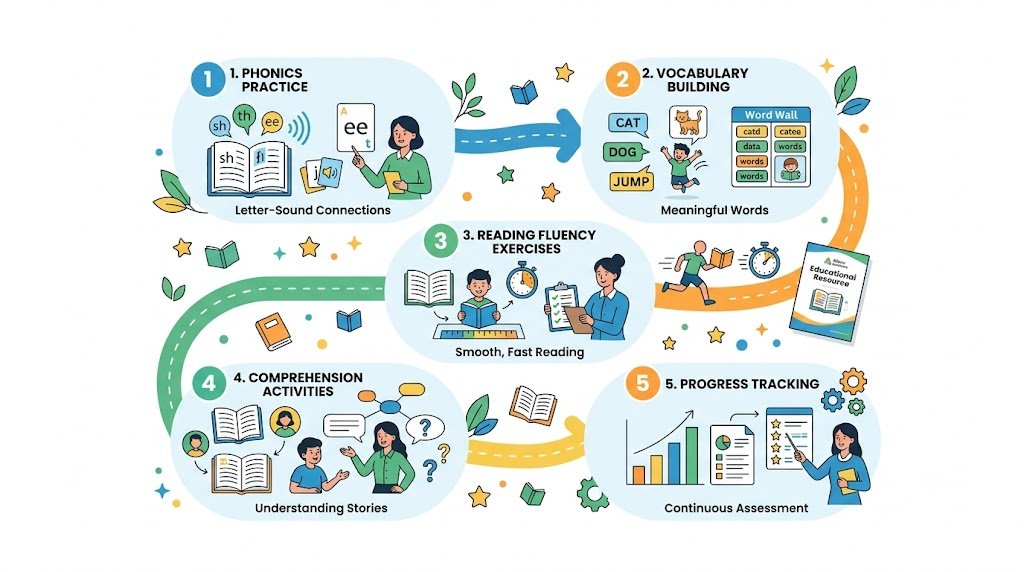
One-on-one intervention using targeted resources allows instruction to be tailored precisely to a child's skill level and pace of learning.
What Types of Reading Intervention Resources Work Best?
No single resource works for every child. The most effective intervention materials share certain characteristics, regardless of whether they target decoding, fluency, or comprehension. When evaluating options, look for resources that align with well-established principles of effective reading instruction. Our guide on science of reading resources for parents offers a deeper dive into the research behind these principles.
Characteristics of High-Quality Reading Intervention Resources
- Explicit and systematic — Skills are taught directly, in a logical order, with no assumptions about what the child already knows.
- Cumulative — Each new lesson builds on previously mastered material, with plenty of review built in.
- Diagnostic and responsive — The resource includes placement assessments and guidance for adjusting instruction based on student performance.
- Multisensory — Activities engage visual, auditory, and kinesthetic-tactile pathways to strengthen memory and recall.
- Age-appropriate in content and tone — Materials for older elementary students should not feel babyish or patronizing.
- Sufficient practice opportunities — The resource provides enough repetition for skills to become automatic before moving on.
For structured, comprehensive programs, explore our overview of reading intervention programs that are widely used in schools and tutoring centers. Many of these programs offer both print and digital components, giving you flexibility in how you deliver instruction.
How Do You Choose the Right Reading Intervention Resources?
Choosing the right resource starts with a clear picture of where the child is struggling. A broad label like "behind in reading" isn't specific enough to guide a purchasing decision. You need to pinpoint the skill gap before you can fill it.
| If the Child Struggles With… | Look for Resources That… | Example Resource Type |
|---|---|---|
| Sounding out unfamiliar words | Provide systematic, sequential phonics instruction | Phonics intervention kit, decodable readers |
| Reading slowly and laboriously | Build automaticity through repeated reading and phrase-level practice | Fluency passages, timed reading cards |
| Understanding what was just read | Explicitly teach comprehension strategies with modeling | Comprehension workbooks, graphic organizers |
| Remembering sight words | Use multisensory techniques and frequent review | Flashcards, word-building mats, games |
| Staying engaged during reading | Offer high-interest content at an accessible reading level | Hi-lo books, graphic novels for older readers |
| Phonemic awareness (hearing sounds in words) | Provide oral-only activities before adding print | Phonemic awareness curricula, sound manipulation games |
If decoding is the primary concern, investing in a quality phonics program is often the most efficient path forward. Our guide to the best phonics program for struggling readers compares top options and explains what to look for in a structured phonics curriculum. For older elementary students who need decodable text that doesn't feel childish, see our recommendations for the best books for struggling 4th grade readers.
What Features Matter Most in Reading Intervention Materials?
Beyond the broad categories, specific design features can make or break a resource's effectiveness with struggling readers. These details are easy to overlook when browsing online but make a significant difference in daily use.
- Clear, uncluttered page layouts with ample white space.
- Fonts that are readable and appropriately sized for the target age group.
- Built-in progress monitoring tools (assessments, checklists, or tracking sheets).
- Scripted or semi-scripted lesson plans for adults delivering the intervention.
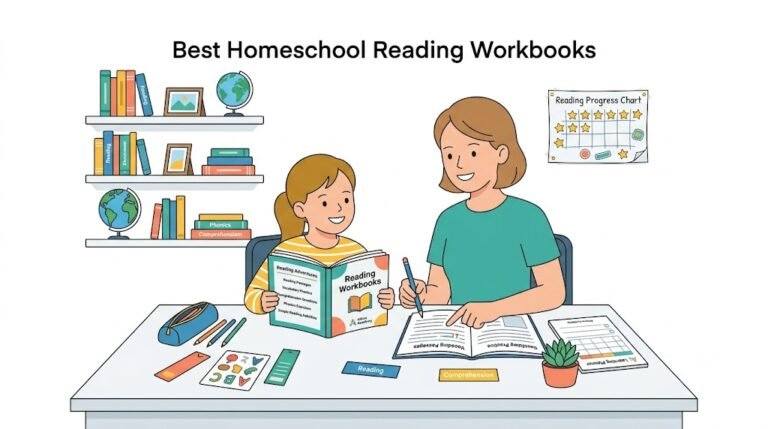
- Spiral-bound or lay-flat binding for workbooks used during instruction.
- Audio support or read-along components for independent practice sessions.
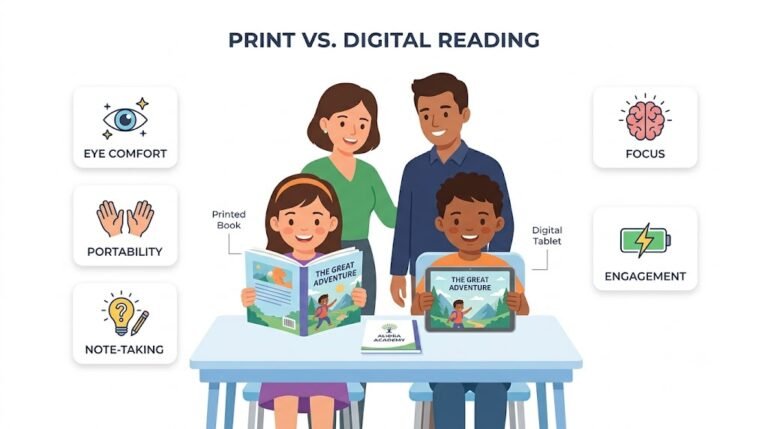
The debate between print and digital formats is especially relevant for intervention resources. Each has strengths and limitations. Our comparison of print vs. digital reading for kids explores this topic in detail, helping you decide which format — or combination — best suits your child or students.
How Can Parents Use Reading Intervention Resources at Home?
Parents don't need specialized training to use many intervention resources effectively. What matters most is consistency, patience, and a willingness to follow the program as designed rather than skipping around. Here are practical guidelines for home use.
Start with a Simple Skill Assessment
Many intervention programs include placement tests. Use them — even if it means starting at a level that feels "too easy." Starting below the child's frustration point builds confidence and fills hidden gaps before moving into more challenging material.
Keep Sessions Short and Predictable
Fifteen to twenty minutes of focused work, five days a week, is far more effective than an hour-long session once or twice a week. Struggling readers tire quickly, and pushing past the point of fatigue leads to frustration and resistance. End each session on a successful note, even if that means adjusting the activity.
Pair Intervention with Enjoyable Reading
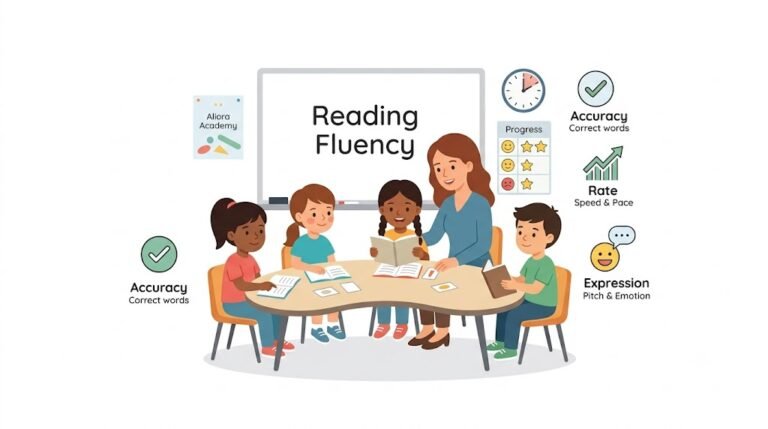
Intervention work is skill practice. It should not replace reading for pleasure. Continue reading aloud to your child, listen to audiobooks together, and let them choose books purely for enjoyment — even if those books are "too easy" or "not challenging enough." Both types of reading serve important purposes. For guidance on building fluency alongside enjoyment, see our article on reading fluency strategies.
How Do Teachers Implement Reading Intervention Resources Effectively?
Classroom teachers face the challenge of meeting diverse needs within limited time. Well-chosen intervention resources, used during small-group rotations or dedicated intervention blocks, allow teachers to target instruction without overhauling their entire literacy block.
Use Data to Form Flexible Groups
Brief diagnostic assessments — phonics screeners, oral reading fluency checks, or comprehension quick-checks — help identify which students need intervention and in which specific skill area. Groups should be small (three to five students) and fluid, with children moving in and out as their needs change.
Protect Intervention Time
Intervention is most effective when it happens daily, at a consistent time, and is treated as non-negotiable. Even fifteen minutes of targeted small-group work, protected from interruptions, can produce measurable growth over a semester.
Combine Resources for a Complete Approach
Many teachers find that combining a systematic phonics program with complementary fluency and comprehension materials provides the most comprehensive support. For example, a child might work on decoding during intervention group, practice fluency with a partner using timed passages, and build comprehension through workbooks that teach specific strategies. Our guide on how to teach main idea and details offers concrete strategies for the comprehension piece.
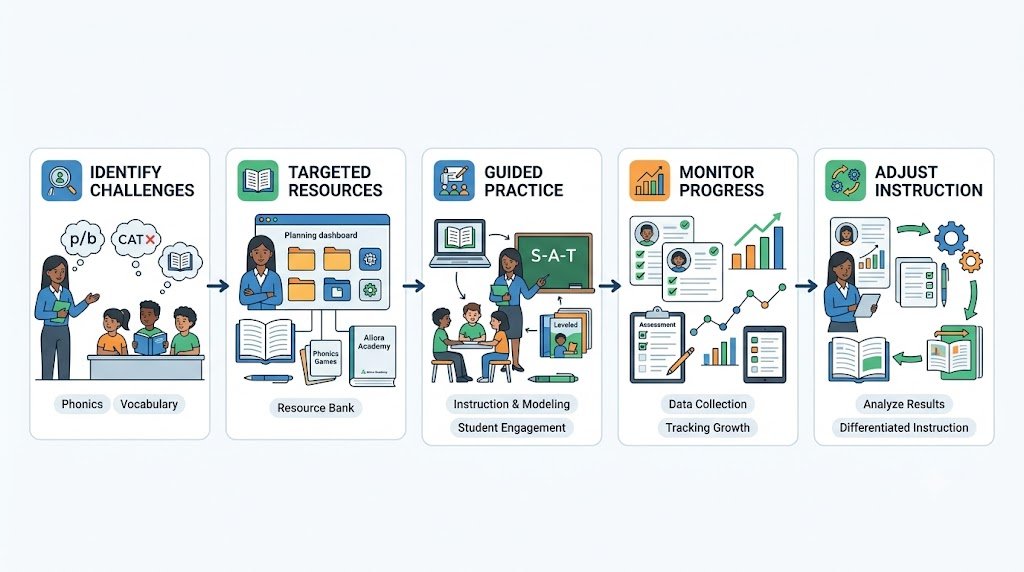
A well-stocked intervention toolkit includes a variety of materials that address different skill areas — phonics, fluency, vocabulary, and comprehension — so instruction can be tailored to each learner.
What Are Common Mistakes to Avoid When Using Reading Intervention Resources?
Even high-quality resources can be undermined by common implementation errors. Avoiding these pitfalls helps ensure your time and investment produce the desired results.
Real-Life Examples of Reading Intervention in Action
Example 1: The Decoding Gap in Second Grade
Situation: Ethan, age 7, guesses at words based on the first letter. His teacher notes that he never mastered short vowel sounds and cannot blend three-letter words consistently.
Challenge: Ethan's phonics foundation is incomplete. He needs to go back and fill the gaps before he can move forward with grade-level text.
Solution: His parents purchased a systematic phonics workbook with daily lessons. Each session included letter-sound review, blending practice with magnetic letters, and reading a short decodable passage. Sessions lasted exactly fifteen minutes. His parents followed the program's sequence without skipping ahead.
Learning Outcome: After three months of consistent practice, Ethan could blend CVC words automatically and was beginning to tackle words with consonant blends. His classroom teacher reported that he was volunteering to read aloud — something he had never done before.
Takeaway: Filling decoding gaps requires patience and fidelity to a systematic program. Short, consistent sessions work better than occasional long ones.
Example 2: The Fourth Grader Who Couldn't Comprehend
Situation: Mia, age 9, reads aloud beautifully. Her fluency scores are above benchmark. But when asked to retell what she read or answer questions, she draws a blank.
Challenge: Mia's reading is fluent but passive. She decodes words without actively thinking about their meaning. She has never been explicitly taught comprehension strategies.
Solution: Her tutor introduced a comprehension intervention workbook that taught one strategy at a time — starting with finding the main idea, then moving to making inferences, and finally summarizing. Each strategy was modeled first, practiced with short passages, and then applied to longer texts. Graphic organizers provided visual support.
Learning Outcome: Within two months, Mia could identify the main idea of a paragraph and support it with evidence from the text. Her book discussions became richer, and she began to notice when her mind wandered during reading — a metacognitive skill she had never developed before.
Takeaway: Fluency without comprehension is not true reading. Explicit strategy instruction, with plenty of modeling and scaffolded practice, can awaken a passive reader to the meaning behind the words.
Example 3: The Fifth Grader Who Hated Reading
Situation: Jamal, age 10, reads below grade level and refuses to pick up a book. He says reading is boring and for "little kids." His avoidance has created a cycle where lack of practice causes further skill decline.
Challenge: Years of frustration have convinced Jamal that reading is not for him. Any intervention must address both his skill gaps and his deeply negative attitude toward reading.
Solution: His teacher and parents collaborated on a two-pronged approach. For skill work, they used a phonics and fluency program designed for older students — the content and visuals were age-appropriate. For engagement, they introduced hi-lo (high-interest, low-readability) books and graphic novels in genres Jamal already loved: sports and adventure. They also began listening to audiobooks during car rides, with no pressure to follow along in print.
Learning Outcome: Jamal discovered a graphic novel series about basketball that he genuinely wanted to read. He read three books in the series over a month — more reading than he had done all year. His fluency improved not because of drills but because he was finally reading for sustained periods. Skill work became more tolerable because reading was no longer exclusively associated with failure.
Takeaway: For older struggling readers, engagement and skill work must go hand in hand. The right book — at the right level, on the right topic — can be the most powerful intervention resource of all.
Frequently Asked Questions About Reading Intervention Resources
How do I know which skill area to target first?
Start with decoding. If a child cannot accurately read the words on the page, comprehension and fluency work will be inefficient. Once decoding is reasonably accurate, shift focus to fluency, then layer in comprehension strategies. Many children need work in multiple areas, but prioritizing foundational skills prevents wasted effort.
Are expensive intervention programs always better?
Not necessarily. Price often reflects the scope of the program, the quality of supporting materials, and the research behind it — but a well-designed, affordable workbook used consistently can outperform an expensive program used sporadically. The user's commitment matters more than the price tag.
How long should a child stay in intervention?
Intervention should continue until the child consistently performs at or near grade-level benchmarks and demonstrates the skills independently. This may take months or longer, depending on the severity of the gap. Regular progress monitoring helps determine when a child is ready to exit intervention or reduce its intensity.
Can I use the same intervention resources for multiple children?
Some resources, particularly consumable workbooks, are designed for single-student use. Others, like teacher guides, manipulatives, and digital subscriptions, can serve multiple children. Check the publisher's licensing terms and consider whether the resource needs to be written in or can be used non-consumably.
What if my child resists using intervention resources?
Resistance is common, especially at the beginning. Reduce the session length, incorporate a preferred activity as a warm-up, or let the child have some choice in the order of activities. If resistance persists, consider whether the resource is too difficult, too easy, or presented in a way that feels punitive. The emotional experience of intervention matters.
Should intervention resources replace classroom reading instruction?
No. Intervention is supplemental. It adds targeted practice on top of — not instead of — the core reading instruction the child receives in class. Ideally, intervention and classroom instruction reinforce each other. Communication between intervention providers and classroom teachers strengthens this alignment.
How do I know if a digital reading intervention program is effective?
Look for programs that are research-based, adaptive (adjusting difficulty based on student responses), and include progress reporting. The best digital tools complement — rather than replace — human-led instruction. Many offer free trials, which let you evaluate engagement and usability before committing. Visit our homepage to explore both print and digital options.
Where can I find guidance if I'm unsure which resources to choose?
Start by talking with your child's teacher, who can often pinpoint the specific skill gaps that need attention. You can also browse our reading resources to see materials organized by skill focus and grade level, or contact us directly for personalized guidance. We're here to help you find the right fit.
Supporting Struggling Readers with the Right Tools and Approach
Reading intervention is not about finding a magic program that fixes everything in two weeks. It's about identifying where a child is stuck, choosing resources that target that specific area, and delivering instruction with consistency, patience, and genuine encouragement. The right reading intervention resources for elementary students provide the structure; the adult using them provides the heart.
Every child's path to reading proficiency looks different. Some need intensive phonics work. Others need fluency practice or explicit comprehension instruction. Many need a combination, delivered in manageable doses over time. What matters most is that the child experiences reading intervention not as punishment for being behind, but as support that meets them exactly where they are.
When you pair well-designed resources with a calm, encouraging approach, struggling readers begin to see themselves differently. They stop avoiding books and start taking risks. They discover that they can improve — and that reading can be worth the effort. That shift in mindset, combined with growing skills, is the real measure of successful intervention.
Explore our reading resources collection for materials suited to every stage of the reading journey. Read more on our blog for ongoing guidance on literacy instruction and learning at home. And if you need help finding the right resource for your child or students, please reach out — we're always happy to help.