Best Books for Struggling 4th Grade Readers
An expert guide to choosing high-interest, accessible books that help struggling fourth-grade readers build confidence, fluency, and a genuine love for reading.
Browse Reading Resources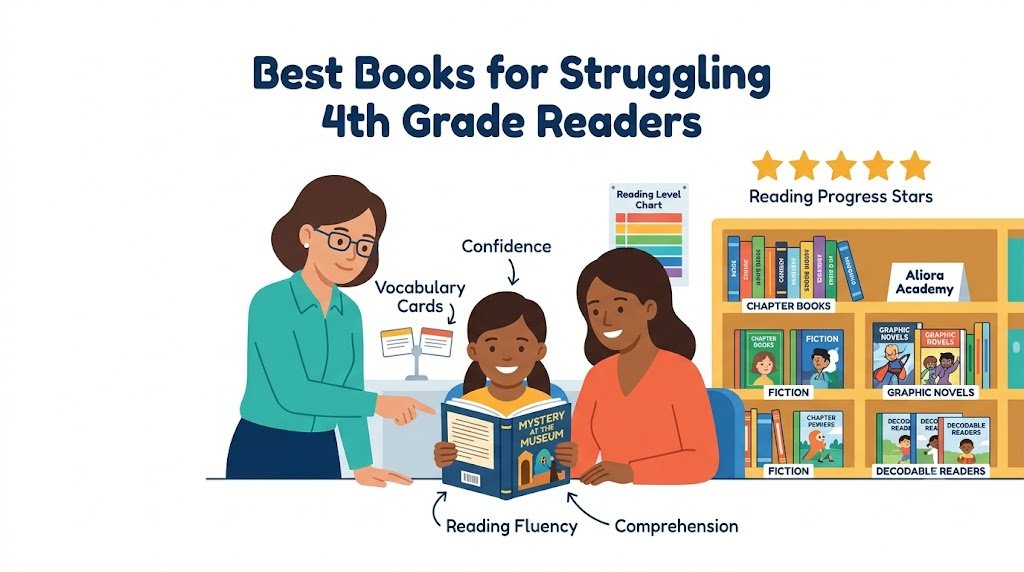
The right book at the right level can transform a struggling reader into a confident, eager learner.
By fourth grade, the gap between skilled readers and those who struggle becomes increasingly noticeable. Children who once loved picture books may now avoid reading altogether because grade-level texts feel too challenging. Finding the best books for struggling 4th grade readers is about more than just picking popular titles—it requires matching high-interest content with a readability level that allows a child to experience success rather than frustration.
This guide brings together eight outstanding books and book sets that have earned the trust of teachers, parents, and—most importantly—the young readers themselves. Each recommendation balances engaging storytelling or fascinating nonfiction content with an accessible reading level, ensuring that struggling readers can focus on understanding and enjoying what they read rather than getting stuck on difficult words.
Before exploring the recommendations, we encourage you to visit our blog for additional guidance on supporting young readers. Understanding the broader picture of how children develop reading skills will help you make the most of every book you choose. If your child needs foundational support, our guide on how to help a child struggling with reading offers practical, research-backed strategies.
Quick Comparison of Recommended Books
| Book | Best For | Reading Level | Grade | Main Strength |
|---|---|---|---|---|
| Hi-Lo Nonfiction Passages | Structured skill building | Low-readability | 4–5 | 80 reproducible passages with targeted comprehension strategies |
| I Survived the Titanic | Reluctant readers & history lovers | AR 3.9 | 2–5 | Thrilling historical fiction with accessible vocabulary |
| Dog Man Unleashed | Fans of humor & graphic novels | Low | 2+ | Hilarious comic-style storytelling that builds reading stamina |
| The Bad Guys Box Set | Readers who love action & laughs | Low-mid | 2–5 | Five illustrated books packed with humor and heart |
| Rescue on the Oregon Trail | Adventure & animal lovers | Mid | 2–5 | Time-traveling golden retriever makes history exciting |
| Narwhal and Jelly Box Set | Young or sensitive readers | Very low | 1–4 | Gentle humor and positive themes in a graphic format |
| Robots (Nat Geo Readers) | Curious minds & nonfiction fans | Level 3 | 2–4 | Stunning photos and fascinating facts about real-world robots |
| The Who Was? History of the World | Fact-loving browsers | Mid | 3–7 | 150 historical figures in bite-sized, illustrated entries |
What Should You Look for When Choosing Books for a Struggling Reader?
Selecting books for a child who finds reading difficult is fundamentally different from picking books for a fluent reader. The goal is to find materials that build confidence while still feeling age-appropriate and genuinely interesting. Here are the key factors to consider before making your selection.
Essential Selection Criteria
- High-interest, low-readability (Hi-Lo) design — The best books for struggling readers pair compelling, age-appropriate topics with simplified vocabulary and sentence structures. A fourth grader should never feel like they're reading a baby book.
- Visual supports that aid comprehension — Graphic novels, illustrated chapter books, and nonfiction with photographs provide contextual clues that help struggling readers infer meaning, reducing the cognitive load of decoding every word.
- Short chapters and frequent stopping points — Books with manageable chapters or self-contained sections give readers a sense of accomplishment. Finishing a chapter feels like a win, and small wins build momentum.
- Series potential — When a struggling reader finds a book they enjoy, knowing there are more books in the same series reduces the anxiety of choosing the next read. Familiar characters and formats create a comfort zone for practicing new skills.
- Authentic, engaging content — A book that feels like a textbook will rarely win over a reluctant reader. Look for genuine storytelling, humor, fascinating facts, and characters that feel real—even in simplified formats.
- Appropriate font size and page layout — Generous spacing, readable fonts, and uncluttered pages make a significant difference for readers who tire easily or struggle with visual tracking.
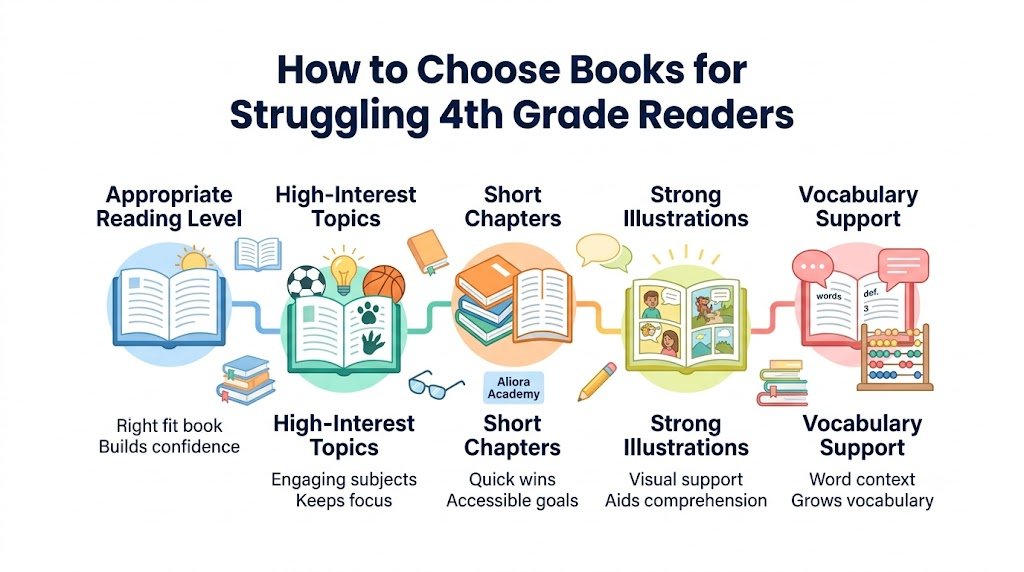
When a struggling reader finds the right book, reading transforms from a chore into an adventure they look forward to.
8 Outstanding Books for Struggling 4th Grade Readers
After thorough research and analysis of educator recommendations, parent feedback, and readability assessments, here are eight exceptional books and book sets—ordered from strongest recommendation to more specialized options. Each review is original, balanced, and designed to help you make an informed decision.
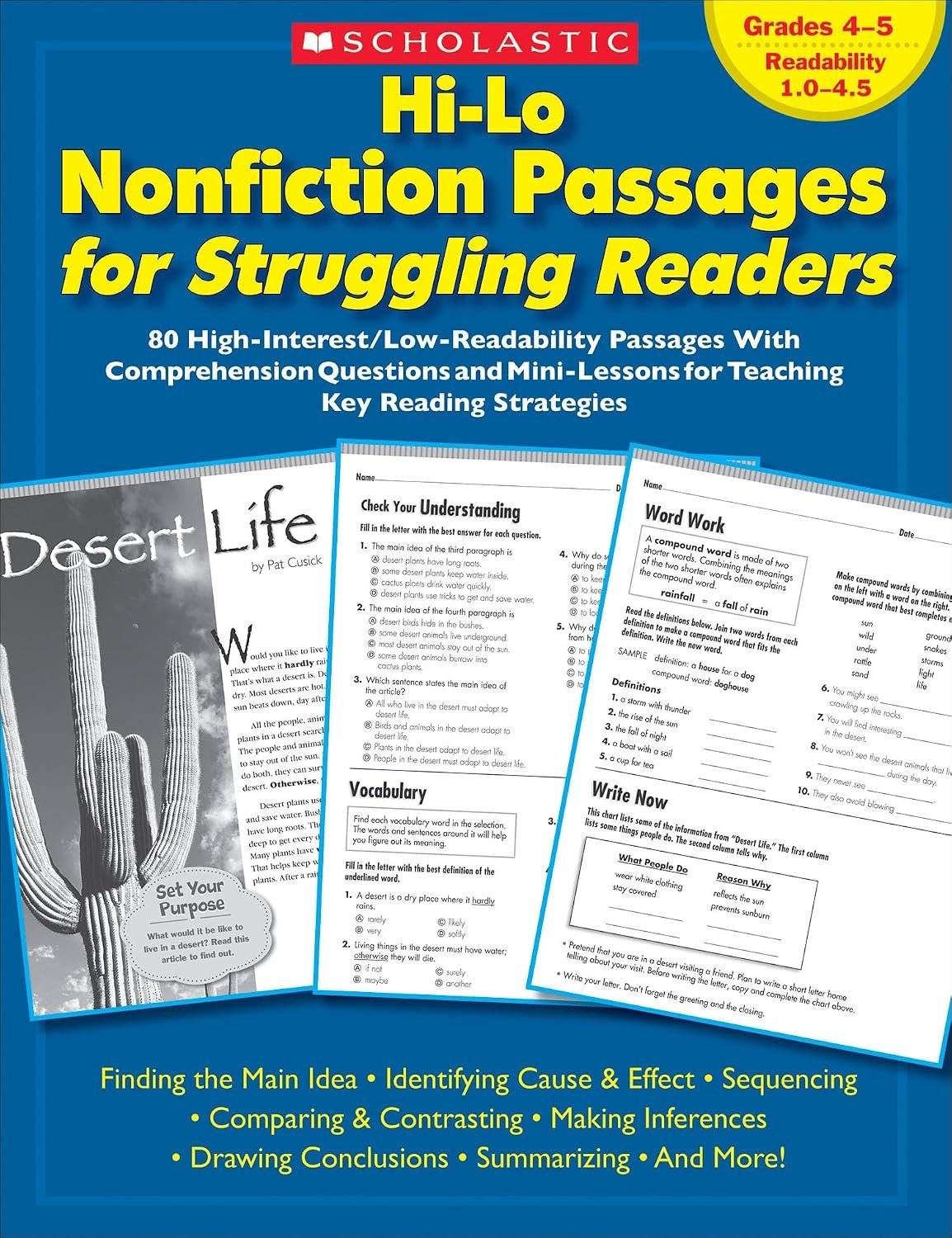
Hi-Lo Nonfiction Passages for Struggling Readers: Grades 4–5
by Scholastic Teaching Resources
This comprehensive resource features 80 reproducible nonfiction passages grouped by key reading strategies, each accompanied by test-formatted comprehension and vocabulary questions plus writing activities. The passages cover a wide range of high-interest topics at a low-readability level, making them perfect for students who need skill reinforcement without the frustration of grade-level text complexity. Mini-lessons for teaching each strategy are included, giving parents and teachers ready-to-use instructional support.
- 80 reproducible passages—exceptional value for classrooms
- High-interest topics that appeal to older elementary students
- Built-in comprehension and vocabulary questions
- Mini-lessons reduce planning time for adults
- Test-formatted questions prepare students for assessments
- Instructional format may feel like schoolwork to some children
- Requires adult facilitation for best results
- Not a narrative book—best paired with engaging fiction
Why we recommend it: This is our top pick because it directly addresses the core challenge struggling readers face—building comprehension skills with texts they can actually read. The high-interest, low-readability format ensures students practice strategies with accessible material, building the confidence they need to tackle more complex texts later. For parents and teachers who want a structured, research-backed resource, nothing else in this list offers the same combination of volume, quality, and instructional support. Complement this resource with our guide to reading comprehension workbooks for additional practice options.
Best use cases: Small-group instruction, one-on-one tutoring, homeschool skill building, and classroom literacy centers for students reading below grade level.
View on Amazon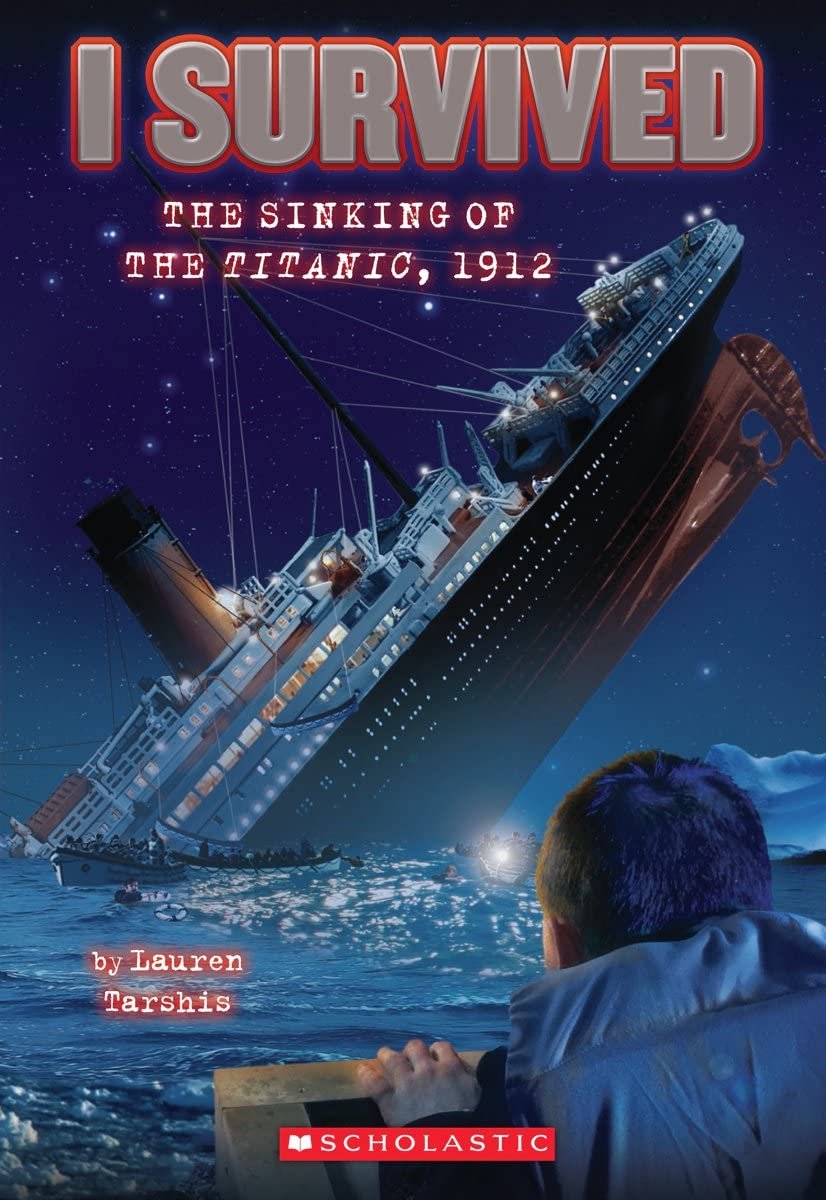
I Survived the Sinking of the Titanic, 1912
by Lauren Tarshis | Scholastic Paperbacks
Ten-year-old George Calder can't believe his luck—he and his little sister Phoebe are aboard the famous Titanic. But when a terrible boom shakes the ship and water rushes in, George's adventure turns into a fight for survival. This New York Times-bestselling series brings history's most terrifying events to life through the eyes of resilient young protagonists. With an Accelerated Reading level of 3.9, the text is accessible to struggling fourth graders while delivering genuinely gripping storytelling.
- AR level 3.9—perfect readability for struggling 4th graders
- Fast-paced, suspenseful storytelling that hooks readers
- 26-book series provides endless next-read options
- Historical backdrop adds educational value
- Short 112-page length builds completion confidence
- Disaster themes may be intense for sensitive readers
- Some historical events depicted can be frightening
- Series formula may feel repetitive after multiple books
Why we recommend it: The I Survived series has become a phenomenon for good reason—it respects young readers' intelligence while keeping the text accessible. For a struggling fourth grader, finishing a chapter book that feels genuinely exciting and slightly grown-up is a huge confidence boost. The AR 3.9 level means the vocabulary and sentence structure are well within reach, while the content feels appropriately mature. Once a child finishes this first book, the 26-title series provides a clear path for continued reading growth. For more strategies on supporting readers, see our guide to improving reading fluency.
Best use cases: Independent reading for reluctant readers, classroom historical fiction units, and building reading stamina through high-engagement series reading.
View on Amazon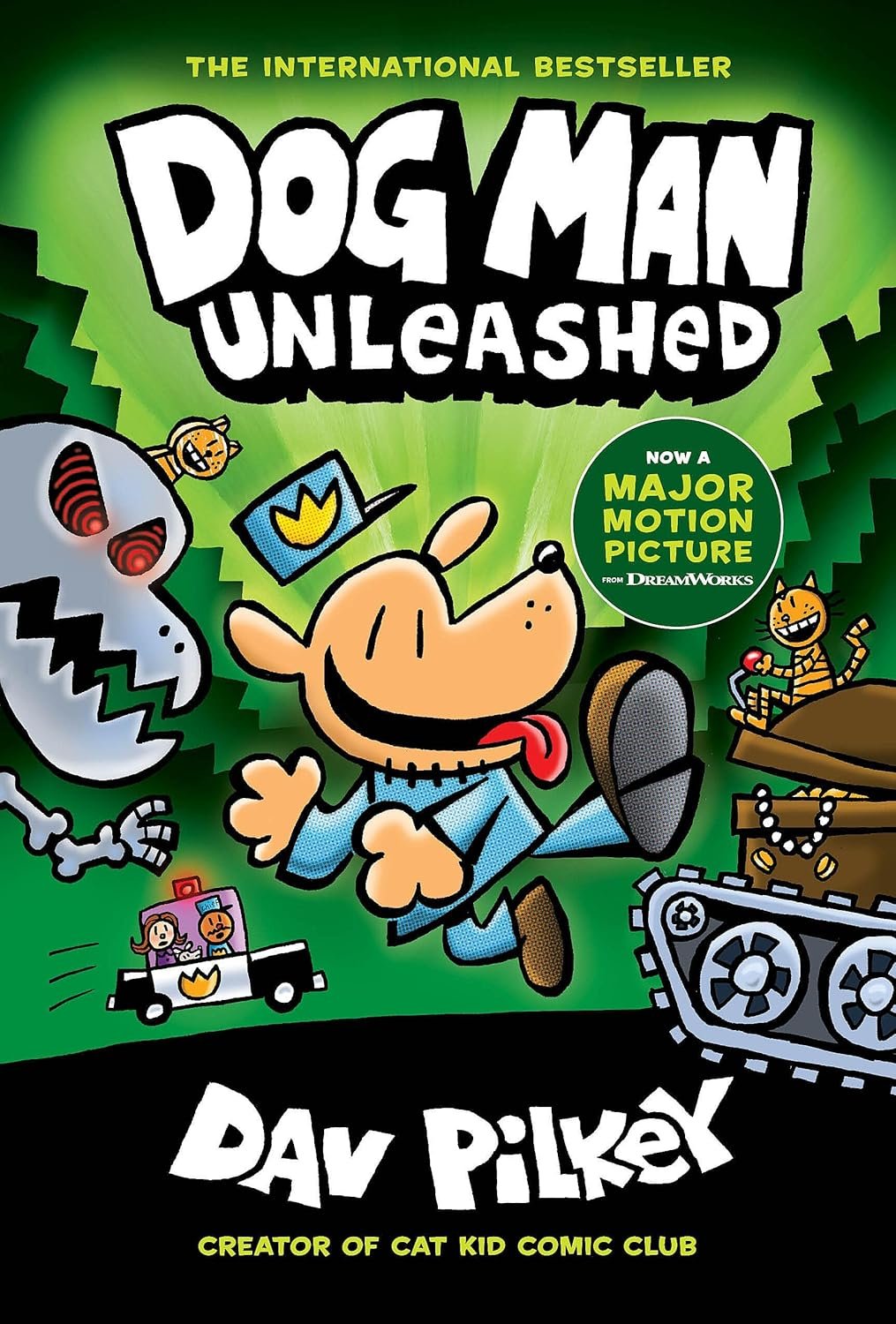
Dog Man Unleashed: A Graphic Novel (Dog Man #2)
by Dav Pilkey | Graphix
Dog Man is still learning the tricks of the trade, and Petey the Cat is up to no good. This wildly popular graphic novel series from the creator of Captain Underpants combines slapstick humor, heart, and surprisingly thoughtful themes—empathy, kindness, and persistence—into a format that even the most reluctant readers devour. Dav Pilkey, who was diagnosed with ADHD and dyslexia as a child, creates books specifically designed to welcome struggling readers into the world of storytelling.
- Graphic novel format reduces text intimidation
- Humor appeals across ages—doesn't feel babyish
- Created by an author with dyslexia who understands struggling readers
- 224 pages of reading practice disguised as pure fun
- 15-book series sustains long-term engagement
- Potty humor may not suit all families
- Graphic format provides less dense text practice
- Some educators prefer more traditional prose for skill building
Why we recommend it: For a child who has decided that reading is boring or hard, Dog Man can be the book that changes everything. The comic-style panels, expressive illustrations, and laugh-out-loud humor create a low-pressure reading experience where children often don't realize how much they're actually reading. The 224-page length looks impressive on a bookshelf, yet the graphic format makes it fly by. Many parents report that Dog Man was the first book their struggling reader ever finished independently. For more engaging reading ideas, explore our guide to building elementary reading habits.
Best use cases: Independent reading for reluctant and struggling readers, building positive reading associations, and bridging the gap to longer chapter books.
View on Amazon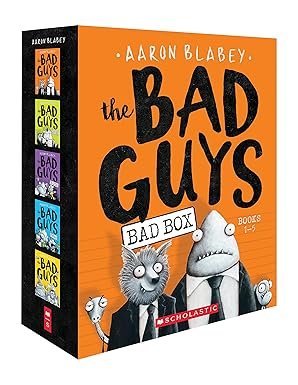
The Bad Guys Box Set: Books 1-5
by Aaron Blabey | Scholastic Paperbacks
They may look like Bad Guys, but these wannabe heroes are doing good deeds—whether you like it or not. This New York Times-bestselling illustrated series follows a wolf, a shark, a snake, and a piranha on their hilarious quest to become heroes. Praised by Dav Pilkey and earning starred reviews from both Kirkus and School Library Journal, these five books deliver abundant laughs with accessible text and expressive illustrations on every page.
- Five books in one box—excellent value
- Illustrated format supports comprehension
- Humor appeals to a wide age range
- Starred professional reviews attest to quality
- Strong appeal for both boys and girls
- Reading age skews younger—may feel too easy for some 4th graders
- Silly humor may not appeal to more serious readers
- Box set format means committing to five books at once
Why we recommend it: The Bad Guys series occupies a sweet spot between picture books and traditional chapter books. The heavily illustrated format and fast-paced humor make these books feel accessible, while the 1,440 total pages across five books provide substantial reading volume. For a struggling fourth grader who has avoided chapter books, completing an entire box set can be a transformative achievement. The series has also been adapted into a major motion picture, which can provide extra motivation. Browse our reading resources collection for more series recommendations that keep kids turning pages.
Best use cases: Summer reading incentive, rebuilding reading confidence, and providing a substantial yet accessible reading goal for reluctant readers.
View on Amazon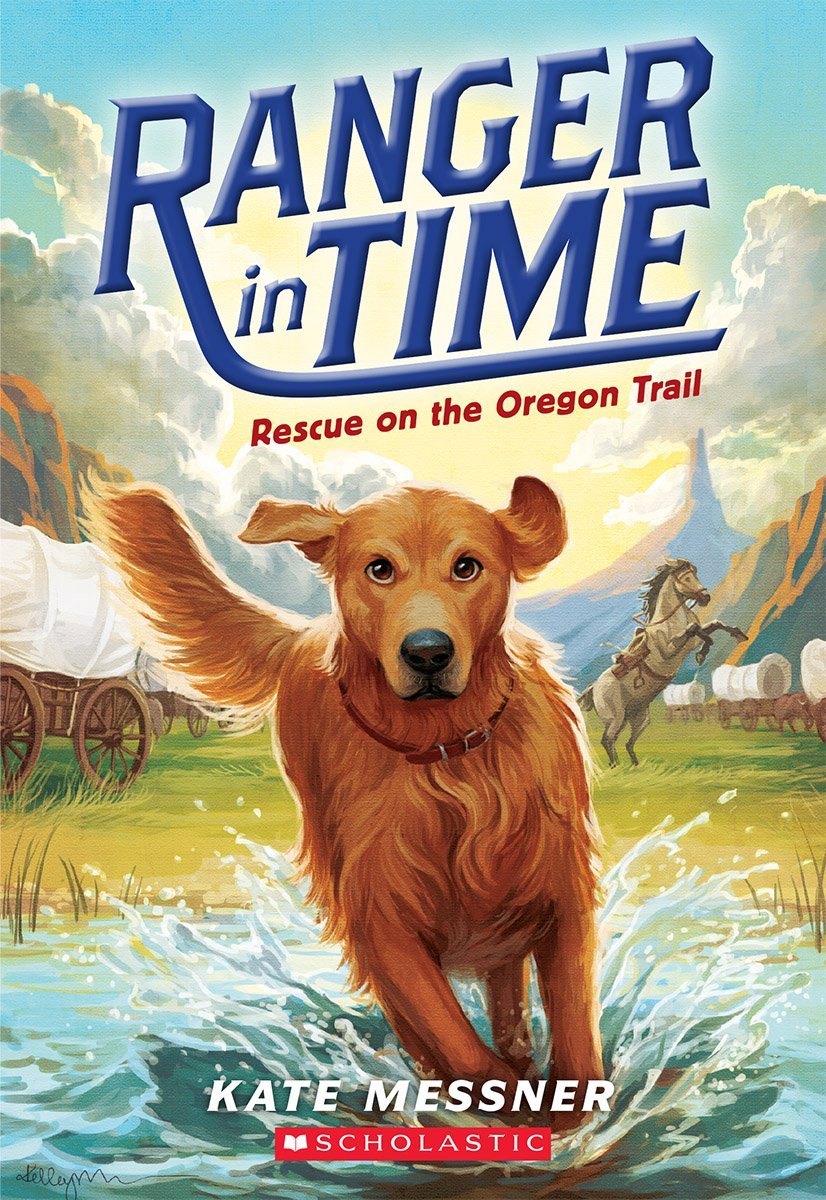
Rescue on the Oregon Trail (Ranger in Time #1)
by Kate Messner | Scholastic Press
Meet Ranger—a time-traveling golden retriever with a nose for trouble and a heart for helping. Trained as a search-and-rescue dog, Ranger finds a mysterious first aid kit that transports him to the year 1850, where he meets Sam Abbott and his family on the Oregon Trail. This engaging chapter book blends adventure, history, and a lovable canine hero into a story that keeps struggling readers turning pages. Kate Messner, a former middle-school English teacher, writes with a keen understanding of what keeps young readers engaged.
- Time-travel premise adds excitement and variety
- Dog protagonist appeals to animal lovers
- Historical setting adds subtle educational value
- 12-book series provides extensive reading runway
- Written by an experienced educator
- Historical context may require adult explanation
- 144 pages—longer than some other starter chapter books
- Less visual support than graphic novel options
Why we recommend it: Ranger in Time offers something special for struggling readers who love animals—a chapter book with heart, adventure, and a protagonist they can genuinely care about. The time-travel structure keeps each book fresh while the familiar character of Ranger provides continuity and comfort. For a fourth grader reading below grade level, the 2–5 grade band ensures the text is accessible without feeling babyish. The series also provides a gentle introduction to historical fiction, subtly building background knowledge. For more on supporting reading at home, see our homeschool reading resources.
Best use cases: Read-aloud transition to independent reading, animal-loving reluctant readers, and integrating literacy with social studies content.
View on Amazon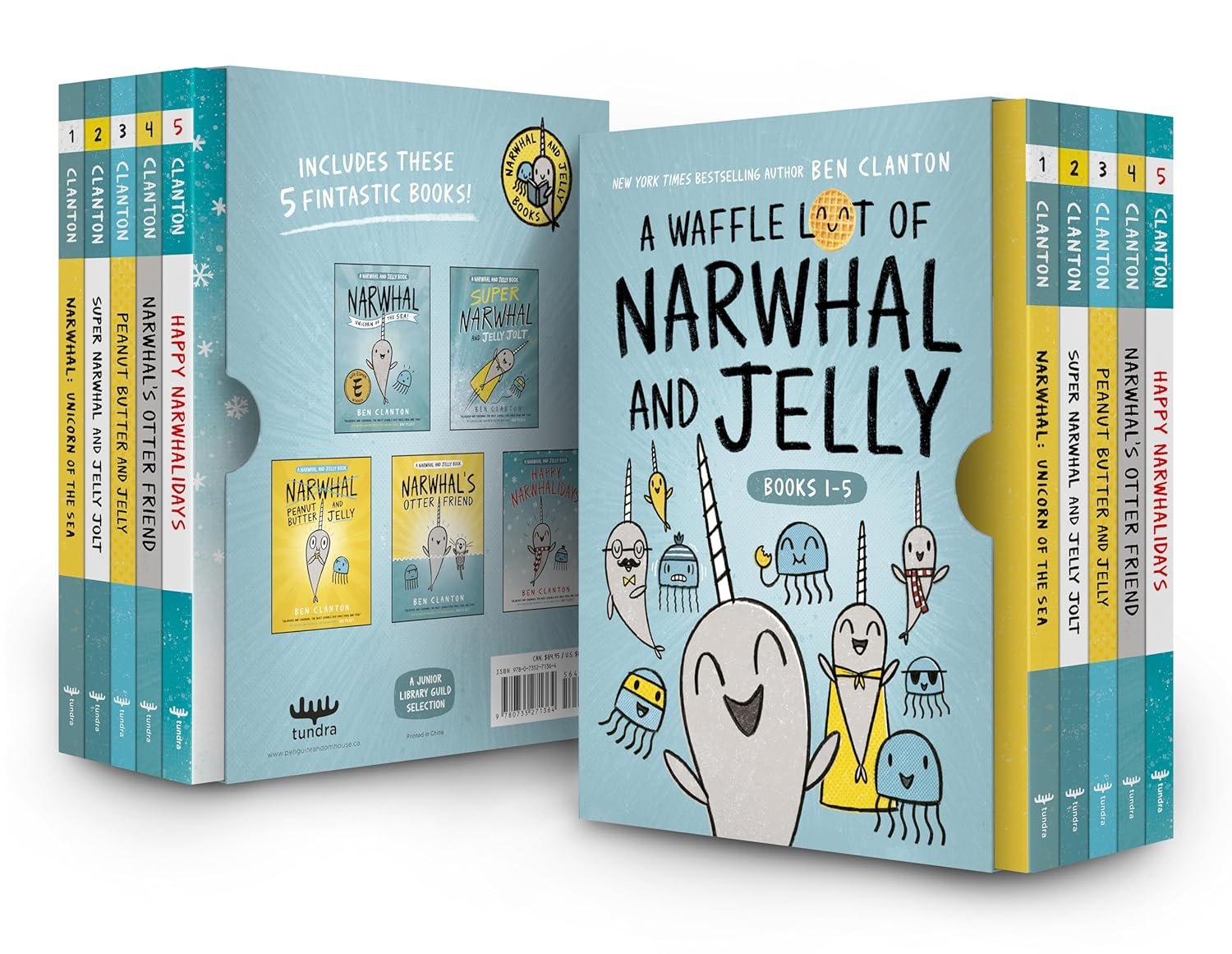
A Waffle Lot of Narwhal and Jelly (Hardcover Books 1-5)
by Ben Clanton | Tundra Books
Described by Dav Pilkey as "the most lovable duo since Frog and Toad," Narwhal and Jelly bring joy, silliness, and genuine friendship to every page. This hardcover box set collects the first five books in the New York Times-bestselling graphic novel series, featuring a happy-go-lucky, waffle-loving narwhal and his slightly cynical jellyfish sidekick. The stories are delightfully silly, full of positivity, and designed with a graphic format that welcomes even the most hesitant readers.
- Gentle, positive content suitable for sensitive readers
- Hardcover format—durable and giftable
- Graphic novel style supports comprehension
- Endorsed by trusted creators like Dav Pilkey
- Five books in a beautiful box set
- Grade 1–4 range skews younger—may feel childish for some 4th graders
- Very simple text offers limited vocabulary challenge
- Sweet tone may not appeal to readers who prefer action or humor
Why we recommend it: For struggling readers who are also sensitive, anxious, or easily overwhelmed, Narwhal and Jelly offer a safe, joyful reading experience. The graphic format and simple text make these books highly accessible, while the positive themes of friendship and acceptance provide emotional nourishment. This box set is particularly valuable for fourth graders reading significantly below grade level, as the content remains charming and the hardcover format feels substantial and special. For more on matching books to your child's emotional needs, explore our reading confidence resources.
Best use cases: Readers with anxiety or low confidence, transition from picture books to chapter books, and gift-giving for young readers who need a gentle, positive experience.
View on Amazon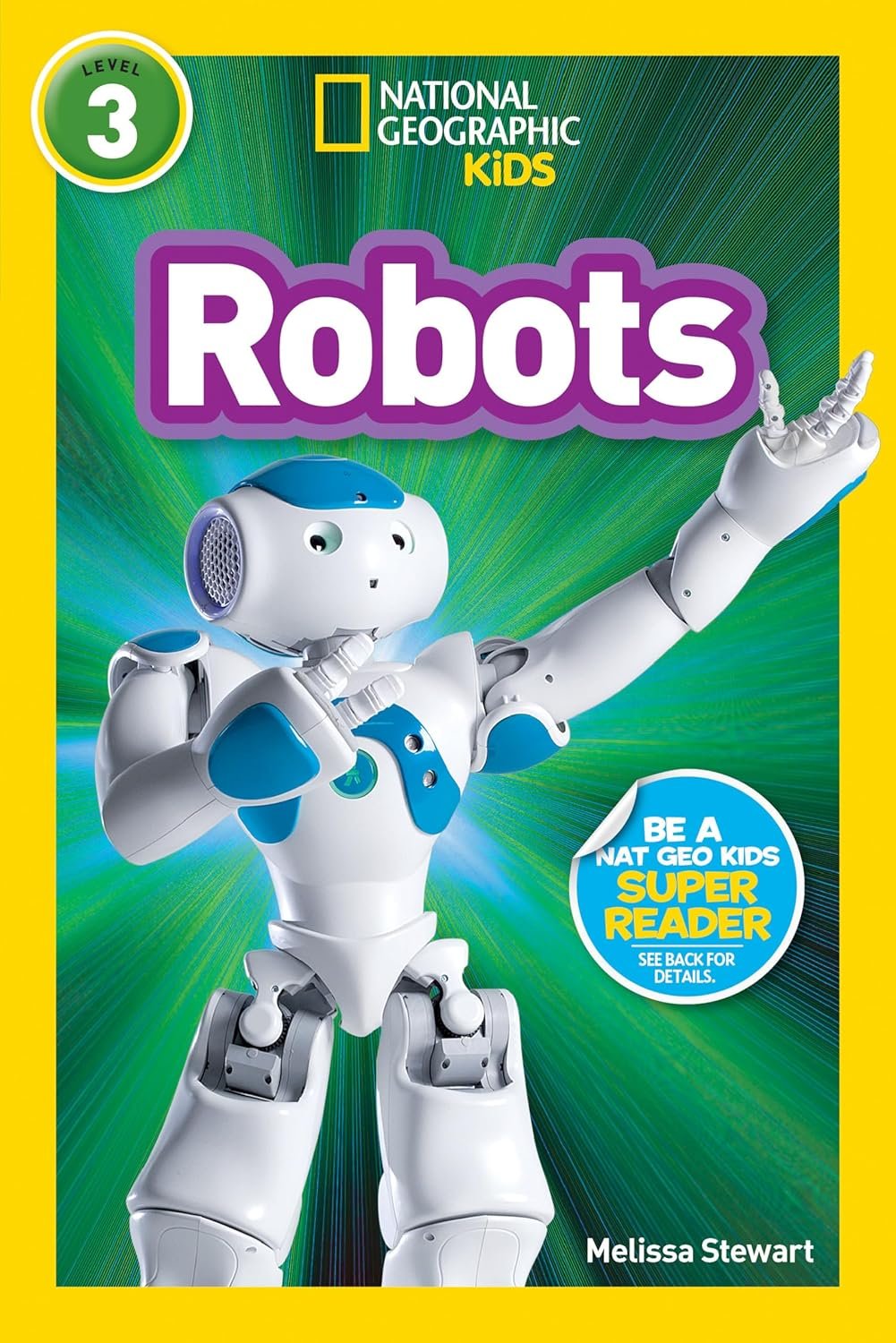
Robots (National Geographic Kids Readers, Level 3)
by Amy Shields | National Geographic Kids
From robots that can speak and climb to those exploring outer space, this colorful, photo-packed reader introduces children to the science behind amazing machines. National Geographic Kids Level 3 Readers are designed for fluent readers who are reading on their own with ease, featuring more layered information and varied sentence structures. Stunning photography and fascinating facts make this an irresistible choice for curious minds who prefer real-world topics over fiction.
- National Geographic photography is visually stunning
- Nonfiction format appeals to fact-oriented readers
- 48-page length is unintimidating
- Level 3 provides appropriate challenge with support
- Introduces academic vocabulary in an engaging context
- 48 pages—limited reading volume
- Reading age 4–7 may feel young for 4th graders
- No narrative arc—may not appeal to story lovers
Why we recommend it: Many struggling readers—particularly those who prefer facts to fiction—thrive with nonfiction. National Geographic's Level 3 Readers combine world-class photography with accessible text, making them feel more like a magazine than a schoolbook. For a fourth grader who resists stories but devours information about topics like robots, space, or animals, this book can open the door to independent reading. The 48-page format also provides a quick win that builds confidence. Visit our homepage to explore more nonfiction resources that spark curiosity and build reading skills simultaneously.
Best use cases: Nonfiction-loving reluctant readers, supplementing STEM learning, and providing a quick, satisfying reading win for confidence building.
View on Amazon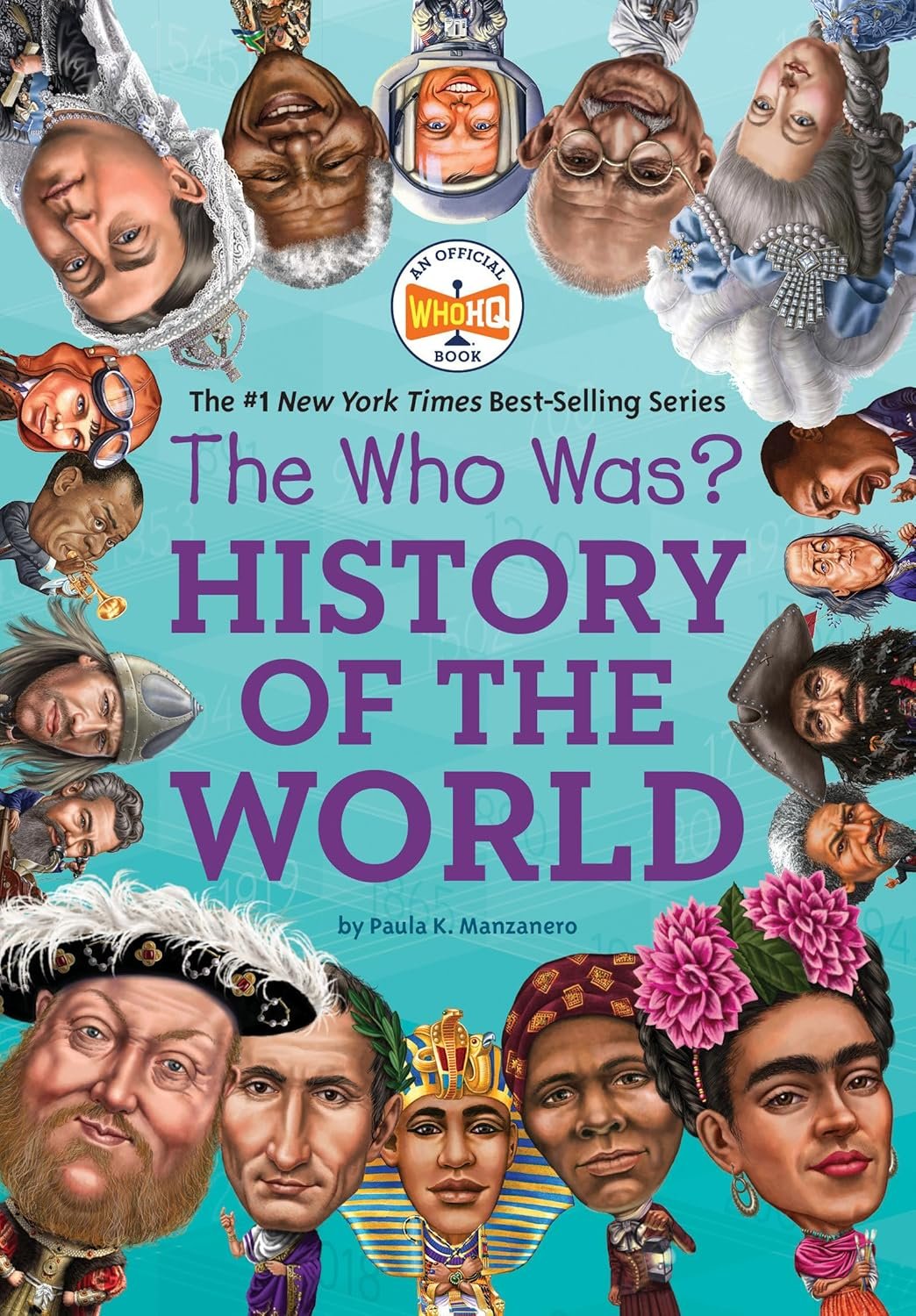
The Who Was? History of the World
by Paula K. Manzanero | Penguin Workshop
For the first time, the beloved Who Was? subjects are gathered into a single volume. This timeline of world history profiles 150 people from the series—from King Tut to Malala Yousafzai—organized chronologically to show who was doing what when. The bite-sized entries, illustrations, and timeline format make this an ideal book for readers who prefer browsing to sustained narrative reading, while still delivering substantial historical content.
- Bite-sized entries ideal for short attention spans
- 150 historical figures—endless browsing potential
- Timeline format builds chronological understanding
- Part of the trusted, bestselling Who Was? series
- Wide grade range (3–7) means room to grow
- Entry format limits depth on any single figure
- May not sustain narrative-focused readers
- Text density varies—some entries more challenging than others
Why we recommend it: For the struggling reader who resists traditional books but loves collecting facts, The Who Was? History of the World offers a different kind of reading experience. The short, self-contained entries allow a child to read for five minutes or fifty, with no pressure to follow a plot or remember what happened in the previous chapter. This format can be liberating for readers with attention challenges or low stamina. Each completed entry provides a small sense of accomplishment, and the wide grade range means the book remains relevant as skills improve. For more guidance on choosing the right reading approach, see our comparison of reading apps vs. workbooks.
Best use cases: Fact-loving browsers, short-session reading practice, building background knowledge, and introducing the beloved Who Was? series to reluctant readers.
View on Amazon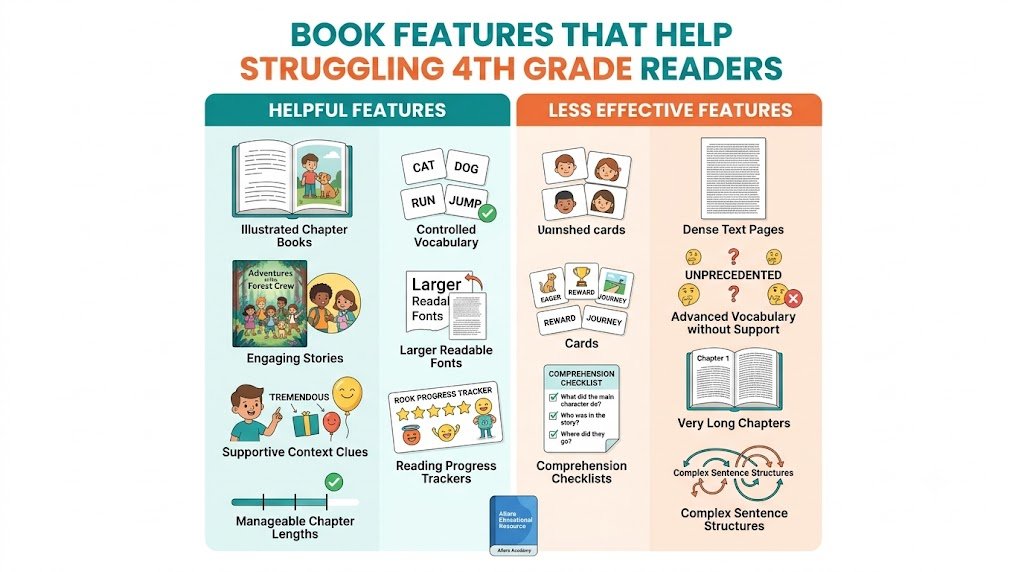
Building a small, carefully chosen collection of accessible books gives struggling readers options—and ownership over their reading journey.
Real-Life Scenarios: How the Right Book Makes a Difference
Example 1: The Child Who Said Reading Was Boring
Situation: Leo, age 9, is in fourth grade. He can decode words at grade level but avoids reading whenever possible, calling every book boring. His parents have tried traditional chapter books, but Leo loses interest after a few pages.
Challenge: Leo needs a book that grabs his attention immediately and proves that reading can be as entertaining as screen time. The book must be accessible enough that he doesn't feel the effort of decoding, allowing him to focus on the story.
Solution: His parents introduced Dog Man Unleashed, explaining that it was from the creator of Captain Underpants and full of humor. They didn't set any page requirements—just left the book on the coffee table. Leo picked it up out of curiosity and finished it in two days, then asked for the next book in the series.
Learning Outcome: Leo read five Dog Man books over the following month. The graphic format removed the intimidation factor, and the humor kept him engaged. His parents then introduced The Bad Guys Box Set as a natural next step, transitioning him toward books with slightly more text. Leo began identifying as a reader for the first time.
Takeaway: Sometimes the right book isn't the most literary—it's the one that makes a child laugh and feel successful. Graphic novels and illustrated series can serve as powerful on-ramps to more traditional reading.
Example 2: Building Skills Alongside Engagement
Situation: Maya, age 10, is in fourth grade and reading about two years below grade level. Her comprehension breaks down with longer texts, and she struggles with inferential thinking. Her parents want both skill-building practice and engaging books she'll actually want to read.
Challenge: Maya needs structured comprehension practice but becomes discouraged when all her reading feels like schoolwork. A balanced approach—pairing instructional resources with high-interest independent reading—could address both her skill gaps and her motivation.
Solution: Her parents purchased the Hi-Lo Nonfiction Passages workbook for focused, short-session practice three times per week, while also giving her I Survived the Sinking of the Titanic for independent reading. The workbook sessions were kept brief and positive, while the I Survived book became her choice for free reading time.
Learning Outcome: Over three months, Maya's comprehension scores showed steady improvement. More importantly, she began asking to read I Survived books on her own and even explored other titles in the series. The combination of structured skill work and engaging independent reading addressed both her academic needs and her reading identity.
Takeaway: Skill-building workbooks and engaging books aren't an either-or choice. Pairing a resource like Hi-Lo Nonfiction Passages with a high-interest series creates a comprehensive approach that builds skills while protecting a child's relationship with reading.
Example 3: The Sensitive Reader Who Needed Gentle Content
Situation: Amir, age 9, is a struggling reader who is also highly sensitive. Books with scary scenes, conflict, or tension cause anxiety that interferes with his willingness to read. His parents have struggled to find books that are age-appropriate, accessible, and emotionally gentle.
Challenge: Many books at Amir's interest level include elements that trigger his anxiety. He needs reading material that feels warm and safe while still being substantial enough to build skills and confidence.
Solution: His parents chose the Narwhal and Jelly Box Set, drawn to its reputation for gentle humor and positive themes. They also added Robots (National Geographic Kids Readers) for nonfiction variety, knowing that factual books often feel safer for sensitive readers because they don't involve interpersonal drama.
Learning Outcome: Amir connected deeply with Narwhal and Jelly's friendship, reading all five books with genuine enthusiasm. The nonfiction Robots book satisfied his curiosity about how things work without triggering any anxiety. His reading stamina improved, and he became more willing to try new books knowing that his parents understood his need for gentle content.
Takeaway: A child's emotional needs are just as important as their reading level when selecting books. For sensitive readers, graphic novels with positive themes and nonfiction books can provide safe, engaging pathways into independent reading.
Common Mistakes to Avoid When Choosing Books for Struggling Readers
Frequently Asked Questions About Books for Struggling 4th Grade Readers
What reading level should a struggling 4th grader be reading at for independent practice?
For independent reading, aim for books at your child's instructional or independent reading level—not their frustration level. This typically means texts they can read with 95% or higher accuracy. Many struggling fourth graders read comfortably at an AR level between 2.5 and 3.9, which is why series like I Survived (AR 3.9) and Dog Man (low readability) work so well. The goal is for reading to feel successful, not effortful. Save more challenging texts for read-alouds or guided instruction.
Are graphic novels actually helping my child become a better reader?
Yes—and research supports this. Graphic novels develop visual literacy, inference skills, vocabulary, and comprehension strategies. For struggling readers, the combination of text and images reduces cognitive load, allowing the brain to focus on meaning rather than decoding every word. Many children who start with graphic novels transition naturally to prose chapter books as their confidence and skills grow. The key is that they're reading willingly and building positive associations with books. For more on different reading formats, see our comparison of reading approaches.
How many books should I buy for my struggling reader at once?
Start with one or two books that match your child's interests and reading level. Having too many unfinished books can feel overwhelming. If your child connects with a series—like I Survived, Dog Man, or The Bad Guys—having the next book ready is motivating. A box set like The Bad Guys Books 1-5 or A Waffle Lot of Narwhal and Jelly can work well because the familiarity of the series reduces decision fatigue, and finishing a whole set provides a tremendous sense of accomplishment.
Should I combine a skill-building workbook with engaging books?
This is often the most effective approach. A resource like Hi-Lo Nonfiction Passages provides structured comprehension practice in short, manageable sessions, while high-interest books like I Survived or Dog Man give your child the experience of reading for pleasure. Keep skill-building sessions brief and positive—10 to 15 minutes is sufficient—and protect independent reading time as a no-pressure zone. The two approaches complement each other beautifully. Visit our workbook guide for more structured practice options.
What if my child only wants to read one series or one type of book?
For a struggling reader, deep engagement with a single series is actually a positive sign—it means they've found books they love. Series reading builds fluency through familiar characters, predictable structures, and repeated vocabulary. Let them read the entire series with enthusiasm. Once their confidence is established, gently introduce related books: a child who loves I Survived might enjoy Ranger in Time, while a Dog Man fan might be ready for The Bad Guys. The goal is to build a reader's identity first and broaden horizons second.
How do I know if a book is too difficult for my struggling reader?
Use the Five Finger Rule: have your child read a full page aloud. If they struggle with five or more words on that page, the book is likely at their frustration level and best saved for another time—or used as a read-aloud. Also watch for signs like avoiding the book, sighing frequently while reading, or being unable to tell you what happened after reading a passage. A book at the right level should feel mostly smooth, with only occasional bumps. For more diagnostic strategies, explore our guide to helping a struggling reader.
What role should nonfiction play for struggling readers?
Nonfiction can be a game-changer for struggling readers, particularly those who prefer facts to stories. Books like Robots (National Geographic Kids Readers) and The Who Was? History of the World offer short, self-contained sections with strong visual support—ideal for readers with limited stamina or attention. Nonfiction also builds background knowledge and academic vocabulary, which directly supports comprehension across all subjects. Many children who resist fiction will eagerly read nonfiction about topics they love, and that reading still builds fluency, vocabulary, and comprehension skills.
Helping Your Struggling Reader Find the Right Book
Finding the best books for struggling 4th grade readers is about understanding that reading difficulty is not a permanent condition—it's a challenge that the right book, at the right time, can help overcome. Every child deserves to experience the joy of finishing a book they love, and the eight recommendations in this guide offer multiple pathways to that experience.
For structured skill building paired with high-interest content, Hi-Lo Nonfiction Passages for Struggling Readers is our top pick—an unparalleled resource for parents and teachers who want systematic comprehension practice with accessible texts. For independent reading that hooks reluctant readers, the I Survived series combines thrilling historical fiction with an accessible AR level of 3.9. For children who need laughter and visual support, Dog Man Unleashed and The Bad Guys Box Set have transformed countless struggling readers into eager bookworms. And for sensitive or younger-feeling readers, the gentle humor of Narwhal and Jelly provides a safe, joyful entry point.
Remember that the most important outcome is not how quickly your child progresses through reading levels—it's whether they come to see reading as a source of pleasure rather than frustration. A child who finishes a Dog Man book with a smile is a child who is practicing reading. A child who asks for the next I Survived book is a child who has internalized that reading is worth their time. Those small victories compound into lasting change.
For more personalized guidance on supporting your child's reading journey, browse our full collection of reading resources, explore our blog for in-depth educational articles, or contact us if you have questions about finding the right books for your learner. With patience, the right resources, and a commitment to keeping reading joyful, every struggling reader can become a confident one.