Daily Reading Habits Every Elementary Student Should Build
Practical, research-backed daily reading habits for elementary students that nurture fluency, comprehension, and a genuine love for reading.
Explore Reading Resources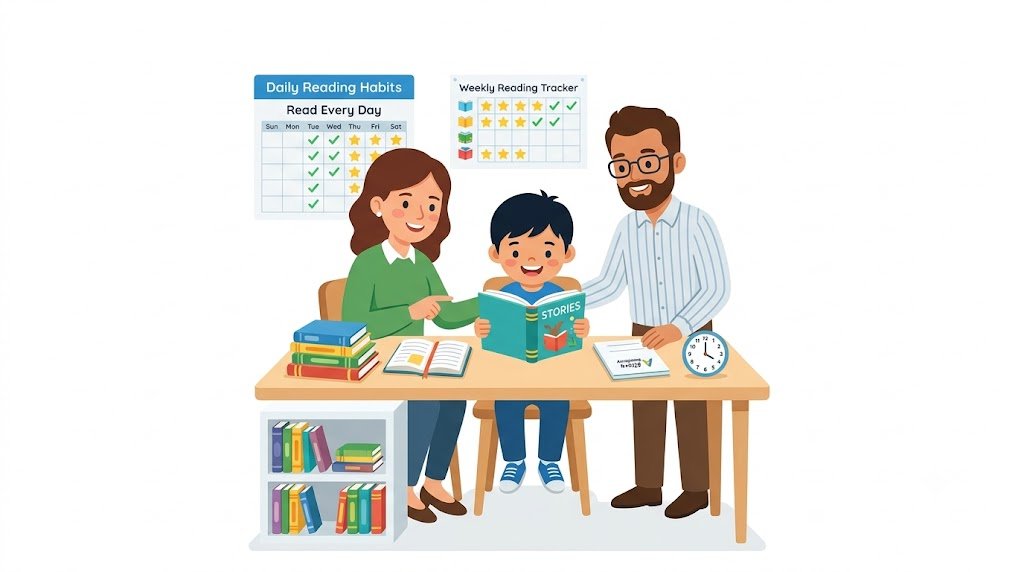
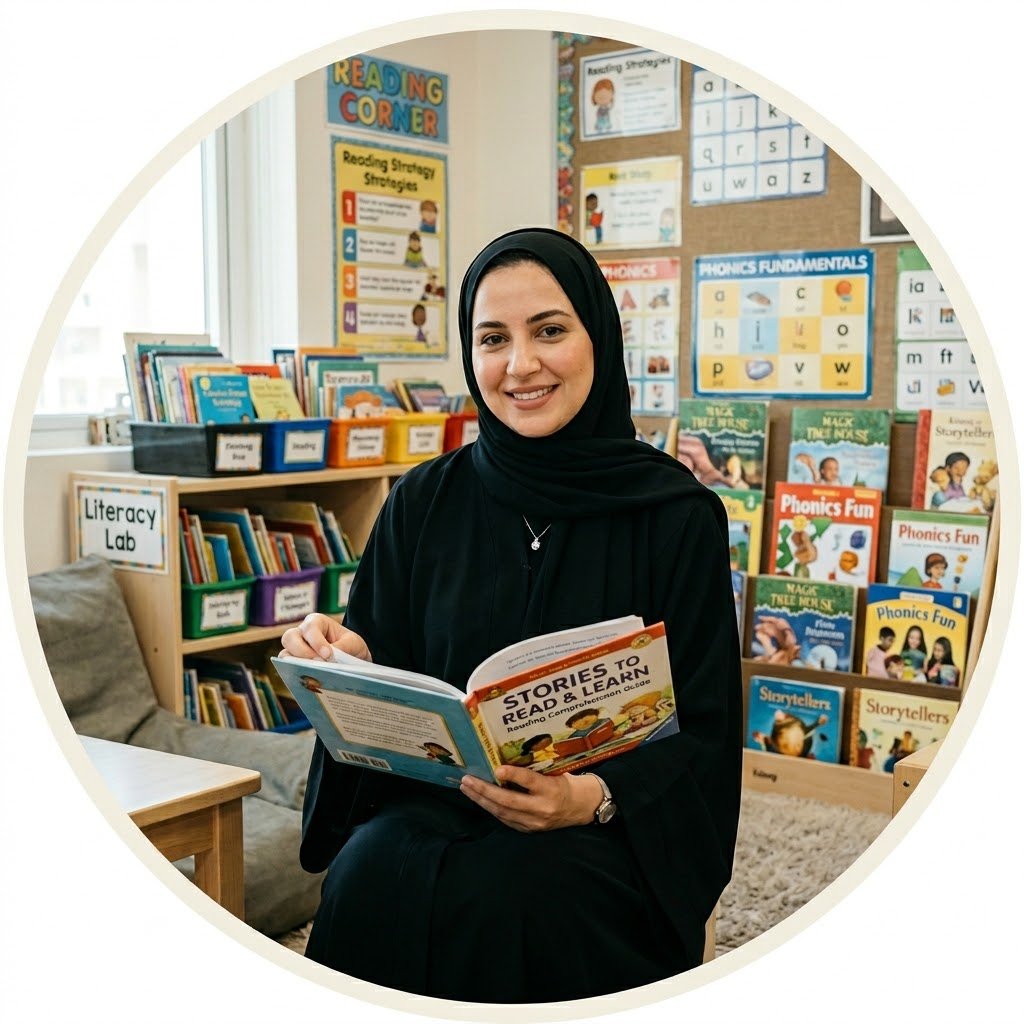
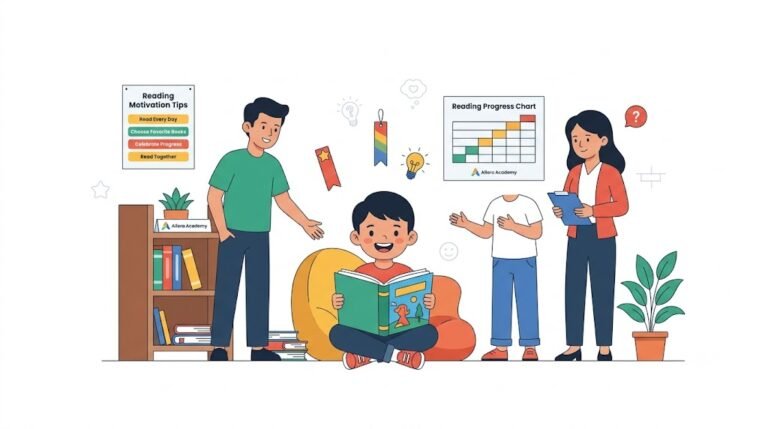
A consistent, cozy reading spot helps turn daily reading into a habit children look forward to.
Every parent and teacher hopes to see a child curled up with a book, lost in a story. But that picture doesn't happen by accident. It's built through small, consistent actions repeated day after day — in other words, through daily reading habits. When elementary students develop effective daily reading habits, they don't just become better readers. They gain confidence, build knowledge, and discover the joy that books can bring.
This guide explores the daily reading habits for elementary students that truly make a difference. Whether you're a parent trying to establish a calm after‑school routine or a teacher designing a classroom literacy block, you'll find actionable strategies, common pitfalls to avoid, and resources that support meaningful reading practice. For a broader overview of early literacy development, visit our blog where we regularly share expert insights.
Why Do Daily Reading Habits Matter for Elementary Students?
Reading is a skill that grows through consistent, focused practice — much like playing an instrument or learning a sport. Sporadic reading, even in large bursts, rarely leads to lasting improvement. Daily habits, on the other hand, create a rhythm that the brain comes to expect and prepare for. Over time, this regularity strengthens the neural pathways responsible for decoding, fluency, and comprehension.
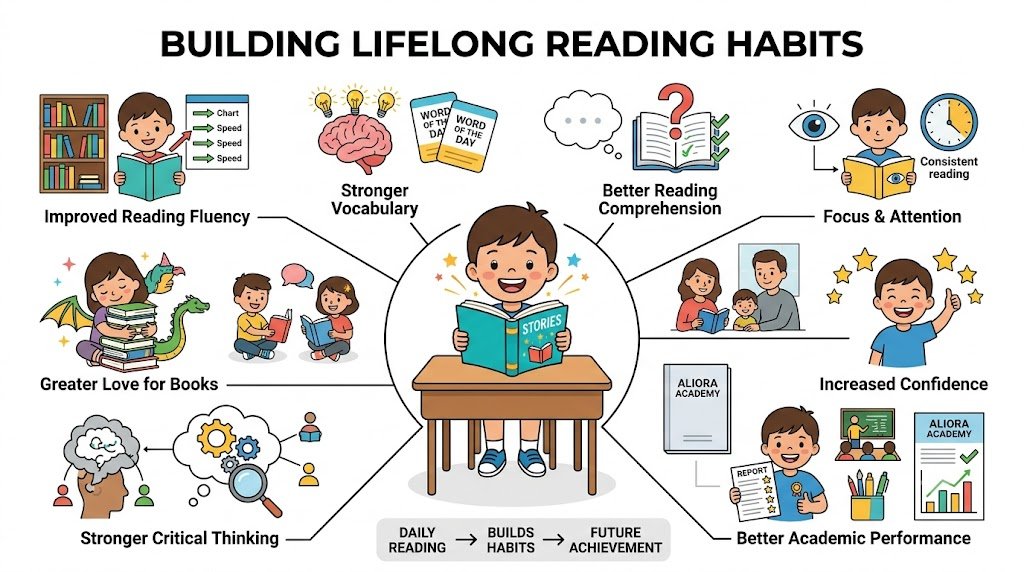
For elementary‑aged children, whose brains are still rapidly developing, daily engagement with text provides several critical benefits:
- Automaticity: Frequently encountering common words and patterns helps children recognize them instantly, freeing mental energy for understanding meaning.
- Vocabulary growth: Regular reading exposes children to far more words than conversation alone, building the word knowledge essential for academic success.
- Background knowledge: Every book, whether fiction or nonfiction, adds to a child's store of information about the world — a key predictor of later reading comprehension.
- Reading stamina: Just like physical endurance, the ability to focus on a text for extended periods develops gradually through daily practice.
- Positive identity: When reading becomes a normal part of the day, children start to see themselves as readers — a self‑image that fuels motivation.
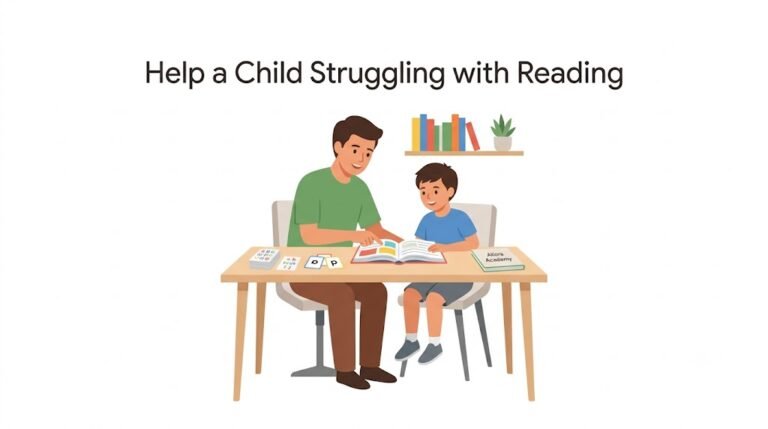
Struggling readers benefit even more from consistent, short, daily practice than from occasional marathon sessions. If your child finds reading difficult, our guide on helping a child struggling with reading offers compassionate, step‑by‑step support.
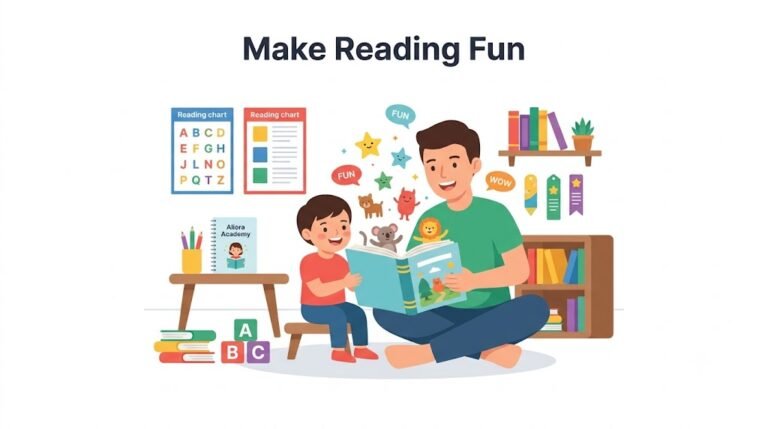
Shared reading time strengthens both skills and the emotional bond around books.
What Are the Most Important Daily Reading Habits for Elementary Students?
Not all reading habits are equally effective. Some practices lead to deep engagement and skill growth, while others only create the appearance of reading. Below are the daily habits that research and classroom experience consistently highlight as most valuable for elementary learners.
7 High‑Impact Daily Reading Habits
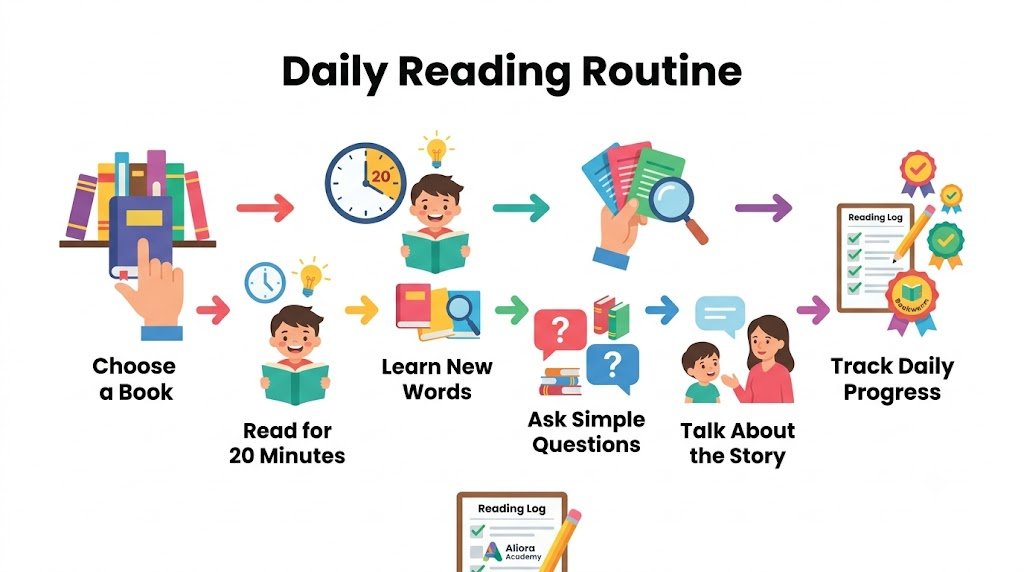
- Read at the same time every day. A predictable routine — whether right after breakfast, during quiet time after school, or before bed — eliminates decision fatigue and signals the brain that it's time to focus.
- Read a mix of “just right” and stretch texts. Children need comfortable, easy reads to build fluency and confidence, plus slightly challenging texts that push their skills forward. Both have a place in a balanced daily diet.
- Talk about what you read. A five‑minute conversation about a book — asking “What surprised you?” or “What would you do in that situation?” — deepens comprehension far more than silent reading alone.
- Reread favorite books. Rereading is not cheating. It builds fluency, reinforces vocabulary, and allows children to notice details they missed the first time.
- Keep a reading log or simple journal. Tracking titles, minutes, or a one‑sentence reaction helps children see their own progress and take ownership of their reading identity.
- Use a variety of formats. Picture books, chapter books, graphic novels, magazines, and informational articles all develop different skills. A varied diet prevents boredom and broadens literacy.
- Pair reading with writing. Even the act of writing a favorite line or a new word encountered during reading strengthens the connection between reading and written expression.
Many of these habits directly support the core components of reading, including fluency. To understand how consistent practice improves speed and expression, see our article on improving reading fluency.
How Can Parents Build a Sustainable Daily Reading Routine at Home?
Parents often wonder how to fit daily reading into already busy schedules. The key is to start small, remove pressure, and link reading to existing routines. A successful home reading habit doesn't require hours — just consistency and a positive atmosphere.
Create a Distraction‑Free Reading Zone
Designate a specific spot — a corner of the couch, a beanbag chair, a blanket on the floor — as the “reading spot.” Keep a basket of books nearby. The environment itself becomes a cue for the habit.
Let Your Child Choose (With Guidance)
Choice is a powerful motivator. Offer a selection of three to five books that you know are at an appropriate level, and let your child pick. When children feel ownership over what they read, resistance drops dramatically. If you need help finding books that match your child's ability and interests, our reading resources collection is organized to make that search easier.
Be a Reading Role Model
Children imitate what they see. If you want your child to read daily, let them see you reading — a book, a magazine, even a recipe. Talk about what you're reading. This normalizes reading as a lifelong activity, not just a school assignment.
What Do Teachers Need to Know About Daily Reading Habits in the Classroom?
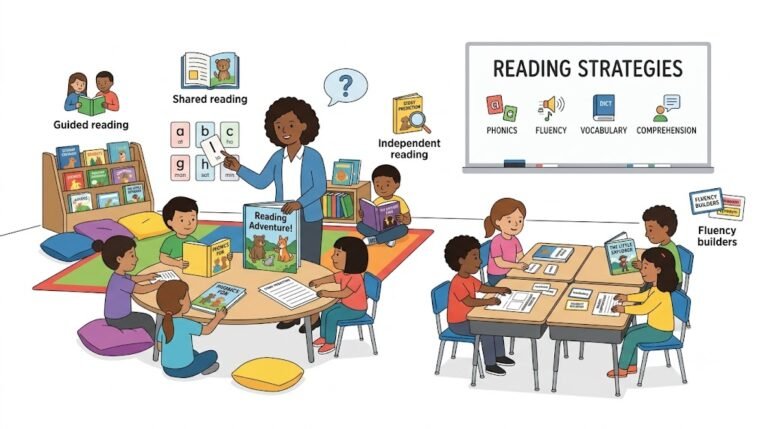
In the classroom, daily reading habits are built through intentional structures. The most effective teachers protect independent reading time, provide access to a rich classroom library, and use brief conferences to guide student growth.
Protect Independent Reading Time
Carving out 15–20 minutes of uninterrupted, self‑selected reading every day may be the single most impactful use of literacy block time. This is not silent reading with a worksheet; it's authentic practice with books students want to read. The teacher circulates, confers briefly, and takes notes on individual progress.
Use Short, Focused Skill Lessons
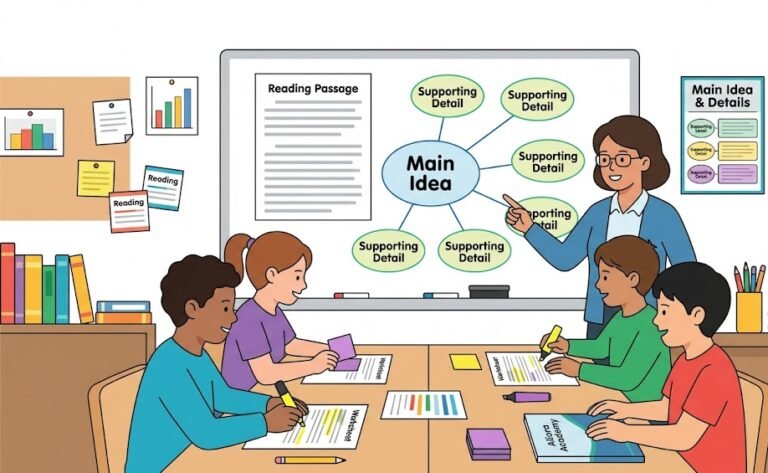
Daily reading habits are strengthened when students have a clear strategy to practice. A mini‑lesson on, for example, how to make predictions or how to figure out an unknown word gives students a purpose for that day's reading. This connection between instruction and practice is where habits turn into measurable growth.
Monitor Engagement, Not Just Minutes
A child staring at a page is not necessarily reading. Look for signs of genuine engagement: turning pages at a steady pace, laughing at funny parts, voluntarily sharing a line. A quick check‑in question — “Tell me about what's happening right now in your book” — is more valuable than logging minutes.
Which Resources Best Support Daily Reading Practice at Home and School?
The right materials make daily reading habits easier to establish and maintain. Below is a comparison of resource types that support different aspects of a child's reading development, from fluency to deep comprehension.
| Resource Type | Best For | How It Supports Daily Habits |
|---|---|---|
| Decodable books | Beginning readers still mastering phonics | Builds decoding confidence with controlled text that matches the child's skill level |
| Leveled readers | Guided practice at a specific reading level | Offers just‑right challenges that stretch skills without causing frustration |
| Graphic novels | Reluctant readers and visual learners | High engagement, rich vocabulary, and visual context that aids comprehension |
| Comprehension workbooks | Targeted skill practice (main idea, inference, sequencing) | Provides short, focused passages ideal for a daily 5‑minute exercise; see our recommended reading comprehension workbooks |
| Audiobooks paired with print | Fluency and stamina, especially for struggling readers | Models expressive reading while the child follows along, reinforcing word recognition |
| Reading journals | Reflection and accountability | A simple place to write titles, new words, or a one‑sentence reaction each day |
When selecting any resource, think about your child's current reading stage. A third grader who still stumbles over multi‑syllable words may need decodable chapter books rather than grade‑level novels. Our guide to improving third‑grade reading comprehension walks you through how to match materials to a child's specific needs.
A well‑curated mix of books and a simple tracking tool can transform daily reading from a chore into a cherished routine.
What Common Mistakes Should You Avoid When Building Reading Habits?
Even with the best intentions, certain approaches can backfire and make children resistant to reading. Below are four frequent missteps and how to steer clear of them.
Real-Life Examples of Daily Reading Habits in Action
Example 1: The After‑School Wiggler
Situation: Ethan, age 7, arrives home from school full of energy and resists sitting still to read. His mom struggles to get him to open a book at all.
Challenge: Ethan associates reading with being still and quiet — exactly what his body craves after a day of sitting at a desk.
Solution: His mom shifted reading time to right after a 15‑minute outdoor play break. She also introduced audiobooks that Ethan could listen to while building with LEGOs, then later sit down to look at the corresponding printed pages.
Learning Outcome: Within a month, Ethan began voluntarily picking up the printed book after listening, eager to see the pictures and words he had only heard. The daily habit stuck because it met his physical needs first.
Takeaway: The “when” of daily reading matters as much as the “what.” Pair reading with a child's natural energy patterns.
Example 2: The Reluctant Third Grader
Situation: Maya, age 8, tells her teacher she hates reading. Her fluency scores are below benchmark, and she never reads at home voluntarily.
Challenge: Years of struggling have convinced Maya that reading is hard and not for her. She has never experienced a book she couldn't put down.
Solution: Her teacher helped Maya discover a graphic novel series with strong female characters and accessible text. They set a goal of reading just five pages a day — completely manageable. Maya also began keeping a simple journal where she wrote one word she liked from each day's reading.
Learning Outcome: Maya finished the first graphic novel in two weeks and asked for the next one. Her daily five‑page habit grew to fifteen pages without prompting. Her fluency improved because she was reading voluntarily and with engagement.
Takeaway: The right format plus a low‑pressure, achievable goal can dismantle the “I hate reading” identity. For more on fluency, see our tips for building reading fluency.
Example 3: Building a Family Reading Culture
Situation: The Nguyen family has three children, ages 6, 9, and 11. Evening schedules are chaotic, and reading often gets skipped.
Challenge: Without a shared routine, each child's reading practice depended on a parent's availability — which was unpredictable.
Solution: The family instituted “Family Reading Time” from 7:45 to 8:00 PM, right before the younger children's bedtime. Everyone — parents included — reads their own book in the living room. No devices, no chores. The 6‑year‑old looks at picture books; the 11‑year‑old reads a novel; the parents model the habit.
Learning Outcome: The children began to expect and protect that 15‑minute window. The youngest started asking for more reading time, and the oldest discovered a love for historical fiction after borrowing a book from his mother's shelf.
Takeaway: When reading is embedded in family culture, it becomes non‑negotiable — but not in a punitive way. It's simply what the family does together. Browse our homepage for curated reading tools that fit a family‑wide routine.
Frequently Asked Questions About Daily Reading Habits for Elementary Students
How many minutes should an elementary student read each day?
Quality matters more than a fixed number. A focused 10–15 minutes of engaged reading can be more valuable than 30 minutes of distracted page‑turning. Start with what your child can do comfortably and increase gradually as stamina builds.
What if my child only wants to read the same book over and over?
Rereading is a natural and beneficial part of reading development. It builds fluency, deepens comprehension, and offers comfort. Encourage it while also leaving new, appealing books within reach. Over time, curiosity usually leads them to branch out.
Should I require my child to read aloud every day?
Reading aloud is excellent for building fluency, but it shouldn't feel like a test. Alternate between silent reading, reading aloud to you, and you reading aloud to your child. Keep oral reading sessions short and positive. If resistance is high, try echo reading (you read a sentence, they repeat it) to reduce pressure.
How do I handle a child who “fake reads” during independent time?
Fake reading — staring at a page without processing — often means the book is too hard or the child hasn't yet built the habit of genuine engagement. Check in with a brief, genuine question: “What just happened on this page?” If they can't answer, the book may need to be swapped for a more accessible one. Our reading resources offer high‑interest options at various levels to combat this.
Do digital reading apps help build daily habits?
Some apps can be useful supplements, especially those that track streaks or offer interactive rewards. However, the most powerful daily habits are built around physical books and human interaction. Apps work best when paired with discussion and real‑world reading, not as a replacement.
At what age should daily independent reading begin?
Even before a child can read words, daily “looking at books” time — turning pages, noticing pictures, telling their own story — establishes the habit. Formal independent reading builds gradually as decoding skills develop, typically around ages 6–7. The habit of daily exposure to books, however, should start as early as toddlerhood.
How can I get my child's teacher to support daily reading habits?
Share what's working at home and ask what the teacher observes in the classroom. A collaborative approach — consistent language, similar goal‑setting — reinforces the habit on both fronts. Many teachers welcome parent input and may suggest additional resources from the Aliora blog to extend learning at home.
What if my child is an advanced reader — do they still need daily habits?
Absolutely. Advanced readers benefit from daily practice that stretches their vocabulary, background knowledge, and critical thinking. The habits may shift — more nonfiction, more complex narratives, more writing in response to reading — but the consistency remains the engine of growth.
Building a Lifetime of Reading, One Day at a Time
The daily reading habits your elementary student builds today will shape their academic trajectory and, more importantly, their relationship with reading for life. Small, consistent actions — a regular time, a cozy spot, a conversation about a character — add up to far more than the sum of their parts. They create a reader.
Remember that progress is rarely a straight line. Some days will be smooth; others will feel like a struggle. The most important thing is that reading remains a source of comfort, curiosity, and connection — not a battleground. When you protect the joy while gently building the skill, you give your child the greatest gift an educator or parent can offer.
Explore our reading resources to find books, workbooks, and tools that support your child's daily reading journey. Browse our blog for more expert guidance, or contact us if you need personalized help choosing the right materials for your young reader.