How to Make Reading More Fun for Kids
Discover simple, creative ways to turn reading from a chore into an adventure — and help your child develop a lifelong love of books.
Browse Reading Resources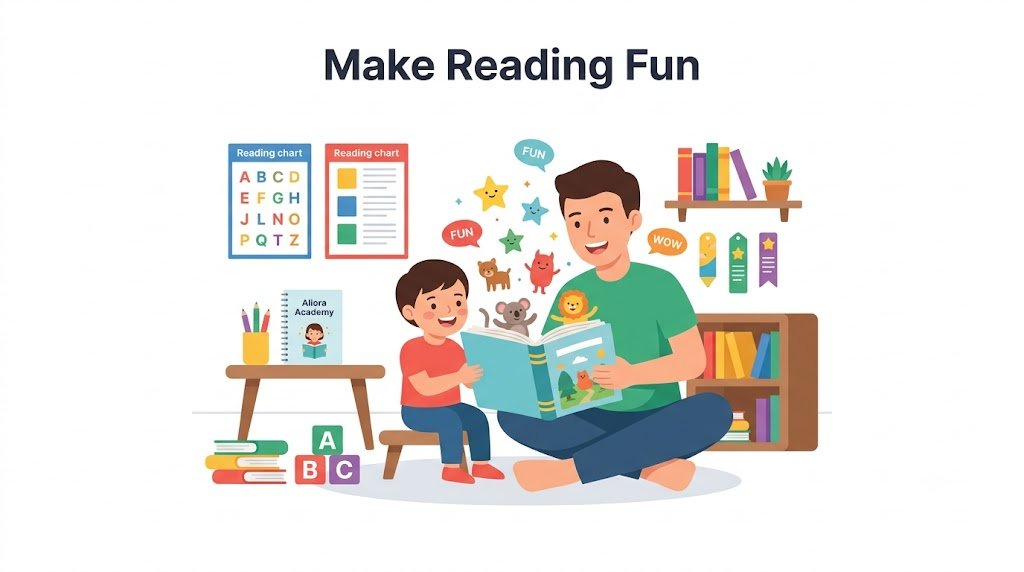
When reading feels playful and safe, children naturally become more engaged and motivated.
For many families, reading time can feel like a power struggle. A child who once loved snuggling up with a picture book may suddenly groan at the sight of a chapter book. This shift often happens not because the child dislikes stories, but because reading has started to feel like work — a test of accuracy, speed, or comprehension rather than an experience to enjoy.
The good news? You can absolutely make reading fun for kids again. And it doesn't require elaborate rewards, expensive kits, or perfect teaching skills. Often, small shifts in how we approach books at home or in the classroom can reignite a child's natural curiosity and turn reading into something they genuinely look forward to.
This guide shares practical, educator-tested ways to bring joy back to reading. Whether your child is a reluctant reader, an emerging bookworm, or somewhere in between, you'll find ideas that work. For more tips on supporting young learners, visit our blog where we cover everything from comprehension to fluency.
Why Does Reading Need to Be Fun for Kids?
Enjoyment is not a luxury in reading development — it's the engine that drives practice. Children who associate reading with pleasure spend more time with books, which in turn builds vocabulary, comprehension, and fluency naturally. When reading feels like a chore, children avoid it, widening the gap between them and their peers.
Research has long pointed to a simple truth: the volume of reading matters. Kids who read for fun consistently outpace those who only read when assigned. But volume only happens when a child wants to pick up a book. That's why the first step for any struggling or reluctant reader is often to make reading fun for kids — not to drill skills, but to build intrinsic motivation.
Shared laughter during storytime builds positive associations that last a lifetime.
10 Creative Strategies to Make Reading Fun for Kids
There is no single trick that works for every child, but these ten strategies cover a range of personalities and learning styles. Try one at a time, and pay attention to what sparks your child's curiosity.
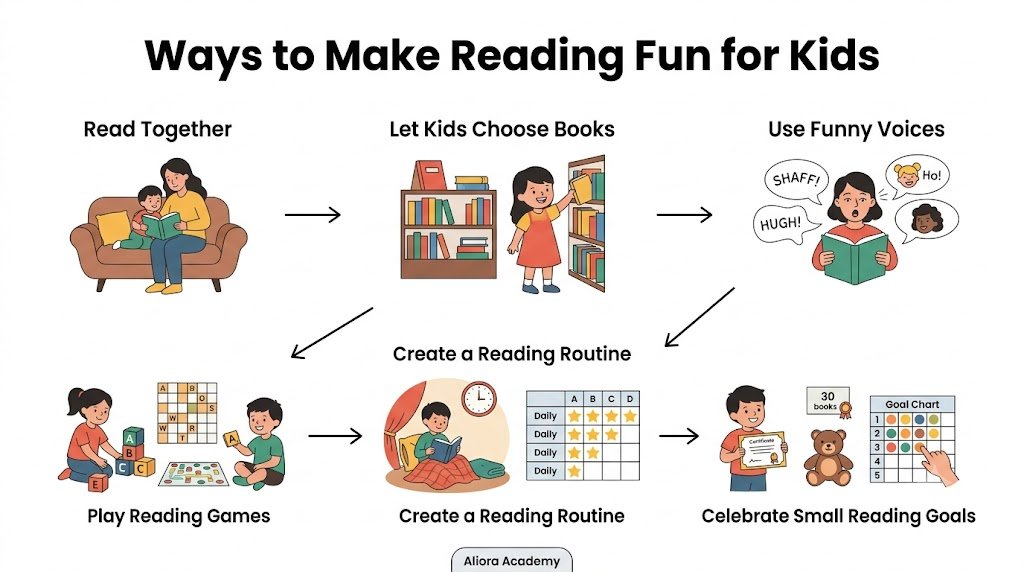
- Let them choose the books. Even if the choice seems too easy or too silly, ownership creates buy‑in. Library trips where the child fills their own bag are powerful motivators.
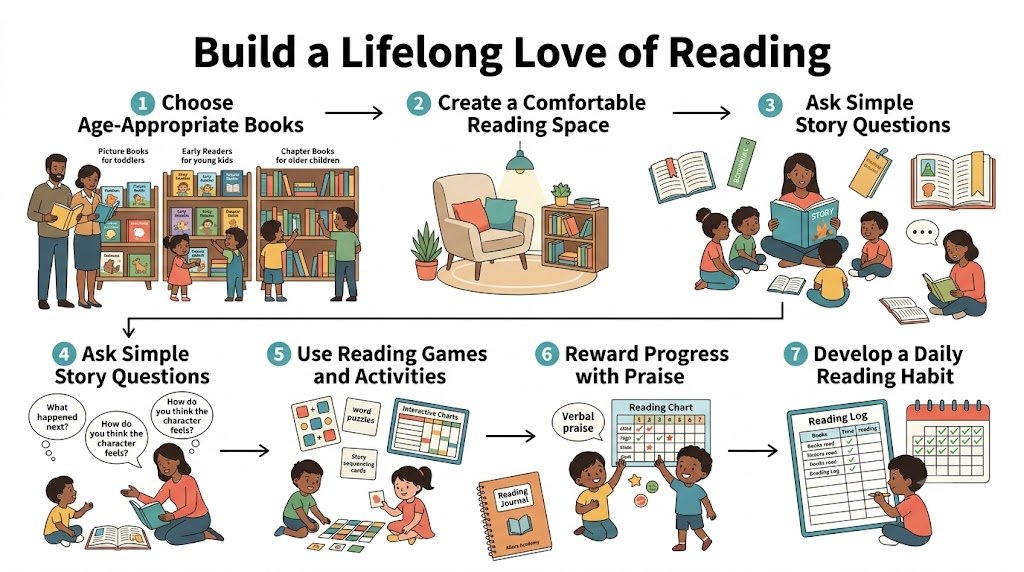
- Create a cozy reading nook. A blanket fort, a pile of cushions, a corner with fairy lights — a special space turns reading into an event.
- Read aloud with silly voices. You don't need to be a performer, but putting on a character voice or an exaggerated tone makes the story come alive.
- Incorporate props and puppets. Use stuffed animals to act out scenes. Let the child retell the story with toys. This is especially effective for hands‑on learners.
- Pair books with activities. After reading a book about baking, make cookies. After a nature story, go on a scavenger hunt outside. Real‑world connections deepen meaning.
- Start a family book club. Read the same short book together and chat about it casually — no quizzes, no tests. Let the child ask the questions sometimes.
- Use graphic novels and comics. Visual storytelling is legitimate reading. For many children, graphic novels are the bridge that leads to longer prose books.
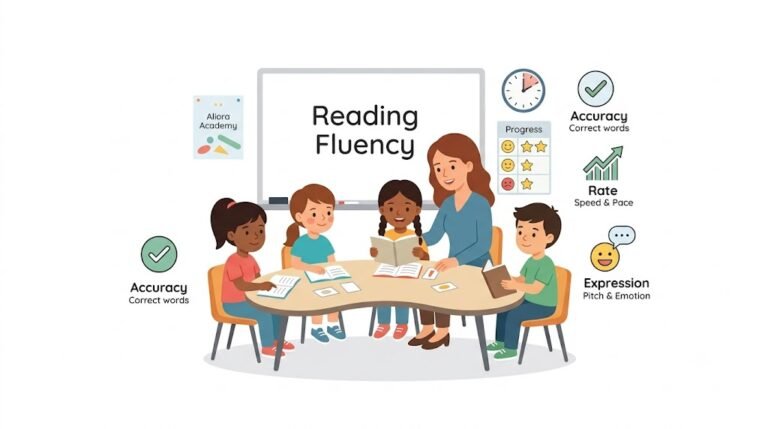
- Make reading a game. Set a timer and see how many words a child can read with expression in two minutes, or play “guess the next rhyme” with poetry.
- Follow their interests obsessively. If your child loves dinosaurs, find dinosaur stories, dinosaur joke books, dinosaur encyclopedias. Interest fuels persistence.
- Celebrate progress, not perfection. Praise effort, curiosity, and engagement — not just accuracy. A child who feels safe making mistakes will take more risks.
What Kind of Books Make Reading Fun for Kids?
Sometimes the barrier isn't reading itself — it's the material. The wrong book can make reading feel like a punishment. Knowing what to look for (and what to avoid) can transform your child's attitude.
| Books That Spark Joy | Books That Can Discourage |
|---|---|
| High‑interest topics matching the child's hobbies | Books chosen only for their educational merit |
| Humor, adventure, or relatable characters | Overly moralistic or predictable storylines |
| Visually engaging layouts with illustrations or photos | Dense text blocks with no visual breaks |
| Series with recurring characters the child gets attached to | Standalone books that give no reason to continue reading |
| Interactive elements: flaps, puzzles, choose‑your‑own‑ending | Flat, passive text that doesn't invite participation |
| Format variety: graphic novels, magazines, poetry | Only traditional chapter books with no alternatives |
If you're looking to refresh your home library, our reading resources include a carefully curated selection of books and materials designed to engage children at every level. And for children who need a little extra fluency support before they can dive into a favorite story, our guide on improving reading fluency offers step‑by‑step strategies.
Real-Life Examples of Making Reading Fun for Kids
Example 1: The Reluctant Second Grader
Situation: Ethan, age 7, avoids books at home. He reads at a first‑grade level and says reading is “boring.”
Challenge: Ethan had only experienced reading as a school task. Books at his independent level felt babyish, but grade‑level books frustrated him.
Solution: His parents introduced graphic novels at his reading level — funny, visually rich stories about a superhero squirrel. They read together, each taking a character, and used silly voices. No comprehension questions were asked unless Ethan brought them up himself.
Learning Outcome: Within three weeks, Ethan began choosing graphic novels on his own during free time. His reading stamina grew, and he started volunteering to read jokes aloud at dinner. The pressure was gone.
Takeaway: The format mattered as much as the content. Meeting Ethan where he was — with humor and visuals — opened the door to more reading.
Example 2: The Older Reader Who Lost Interest
Situation: Mia, age 10, used to love reading but now only reads when assigned. Her mother worries she's fallen out of love with books.
Challenge: Mia's school reading had become heavily assessed, with required logs and quizzes. Reading had become associated with performance.
Solution: The teacher and parent agreed to a “free read” period at home every evening — ten minutes of reading anything Mia wanted with no follow‑up tasks. She chose magazines, cookbooks, and eventually found a mystery series that captivated her. Her mom started reading the same series so they could talk about the clues.
Learning Outcome: Mia re‑discovered the fun of a page‑turner. She began reading for thirty minutes voluntarily and even started writing her own short mystery stories.
Takeaway: Removing the pressure of assessment and letting her reconnect with the pleasure of story was more effective than any incentive or program.
Example 3: The Busy Homeschool Kindergartener
Situation: Leo, age 5, loves being active and resists sitting still for reading lessons. His mom worries he'll fall behind.
Challenge: Traditional sit‑down reading time felt like a battle. Leo's mom needed a way to weave reading into his active, hands‑on learning style.
Solution: Instead of forcing seat work, she integrated reading into play. They built letter sounds with playdough, read recipes while cooking, and hunted for words around the house. Reading happened in short bursts — five minutes on the couch, five minutes at the kitchen table — always led by Leo's interests.
Learning Outcome: Leo began to see reading as just another part of his day, not a separate subject. He started sounding out words on cereal boxes and street signs without prompting.
Takeaway: For wiggly, active children, weaving reading into daily life and play is often far more effective than formal instruction at a desk.
What Are Common Mistakes That Make Reading Feel Like a Chore?
Even with the best intentions, adults sometimes fall into patterns that drain the joy from reading. Recognizing these can help you sidestep them before they take root.
How Can You Build a Reading‑Friendly Environment at Home?
Environment shapes behavior. When books are visible, accessible, and part of daily rhythms, reading becomes a natural choice rather than a scheduled task.
- Keep books everywhere: In the living room, the car, the bathroom — anywhere a child might have a quiet moment.
- Let them see you read. Children are imitators. When they see adults enjoying books, magazines, or even audiobooks, they internalize the message that reading is a normal, desirable activity.
- Establish a calm reading ritual. Even ten minutes of peaceful reading before bed or after school creates a predictable, comforting habit.
- Visit the library regularly. Let the trip be an event — not rushed, not tied to a lesson. The child leads, and you follow their curiosity.
- Celebrate all forms of reading. Audiobooks, cookbooks, baseball cards, video game guides — they all count. Broadening your definition of reading makes it more inclusive and fun.
If Your Child Needs Extra Support
Sometimes, a child avoids reading not because it's boring, but because it's genuinely hard. If you notice persistent struggles with decoding, fluency, or comprehension, addressing those underlying gaps can make reading feel easier and therefore more fun. Our article on how to help a child struggling with reading offers compassionate, step‑by‑step guidance. And for third graders working on deeper understanding, explore improving 3rd grade reading comprehension.
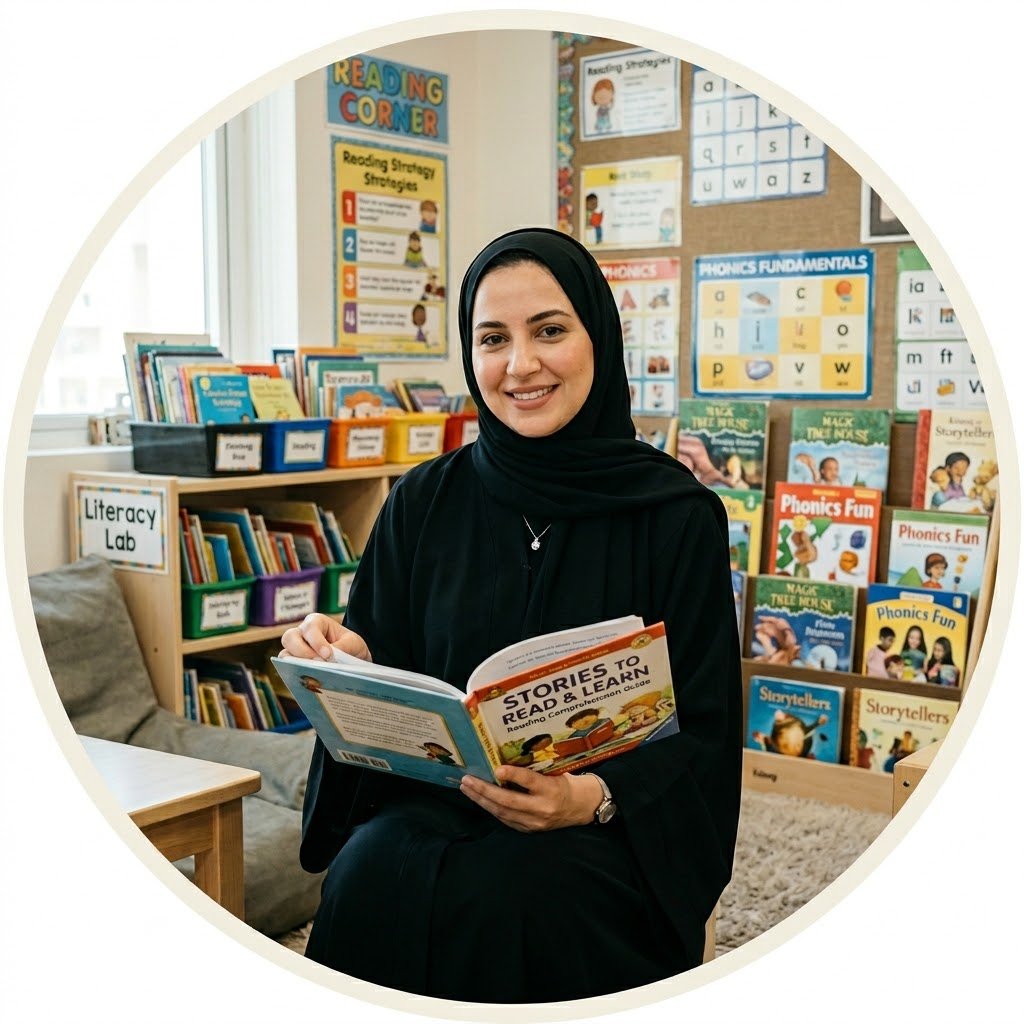
A dedicated reading space — even a small corner — can transform a child's feelings about opening a book.
Frequently Asked Questions About Making Reading Fun for Kids
What if my child only wants to read the same book over and over?
This is not only normal but developmentally valuable. Repeated reading builds fluency, confidence, and deep comprehension. Let them enjoy the comfort of a familiar story while you gently introduce new books with similar themes or characters.
Can educational apps and games make reading fun?
High‑quality apps that emphasize storytelling, phonics play, or interactive reading can be excellent supplements. However, they work best alongside real‑world reading with a caring adult. The social connection is what often seals the love of books.
How do I handle a child who says all books are boring?
This often means the child hasn't yet found the right match. Step away from traditional fiction for a while. Try nonfiction about topics they love, graphic novels, joke books, or even audiobooks. Broadening the definition of “reading” is often the key.
Is it okay if my child reads below grade level for fun?
Absolutely. Reading for pleasure should be easy and enjoyable. It builds speed, confidence, and positive associations. Save instructional‑level texts for supported practice time, and let free reading be for joy.
How much should my child read each day?
Rather than focusing on minutes or pages, focus on consistency and enjoyment. Ten happy minutes daily beats a reluctant thirty‑minute slog. Over time, as reading becomes more fun, duration will naturally increase.
What if I'm not a strong reader myself? Can I still help?
Yes — and you modeling a positive attitude toward reading is incredibly powerful. Listen to audiobooks together, read picture books side‑by‑side, or simply tell stories. Your enthusiasm matters far more than your reading level.
My child's teacher assigns reading logs. How do I keep the fun under pressure?
If a log is required, fill it in without making it your child's responsibility to track. You write the title, you note the time, and let your child focus purely on the book. You can also talk with the teacher about alternative ways to celebrate reading that don't feel like surveillance.
Where can I find affordable, engaging books?
Libraries are the obvious first stop, but used bookstores, book swaps, and digital library apps also offer endless variety. For carefully selected resources that support both fun and skill, browse our homepage or contact us for personalized suggestions.
Turning Reading Into a Lifelong Love
When you make reading fun for kids, you're doing far more than filling a weekly reading quota. You're giving them a gift that extends into every corner of their education and their imagination. A child who reads for joy becomes a student who reads to learn, and eventually an adult who reads to think, to escape, to grow.
The path there isn't perfect or linear. Some weeks will be full of laughter and dog‑eared pages; other weeks, books gather dust. That's normal. What matters is that you keep the door open — with patience, with playfulness, and with a genuine belief that your child can find books they love.
Explore our reading resources for materials that bring joy and skill together, visit our blog for more in‑depth guides, and always feel free to contact us if you need help finding the perfect book or tool for your child. Reading is an adventure — let it be a fun one.