How to Help a Child Struggling with Reading
Practical strategies, compassionate guidance, and trusted resources to support young readers who need extra help building confidence and skill.
Browse Reading Resources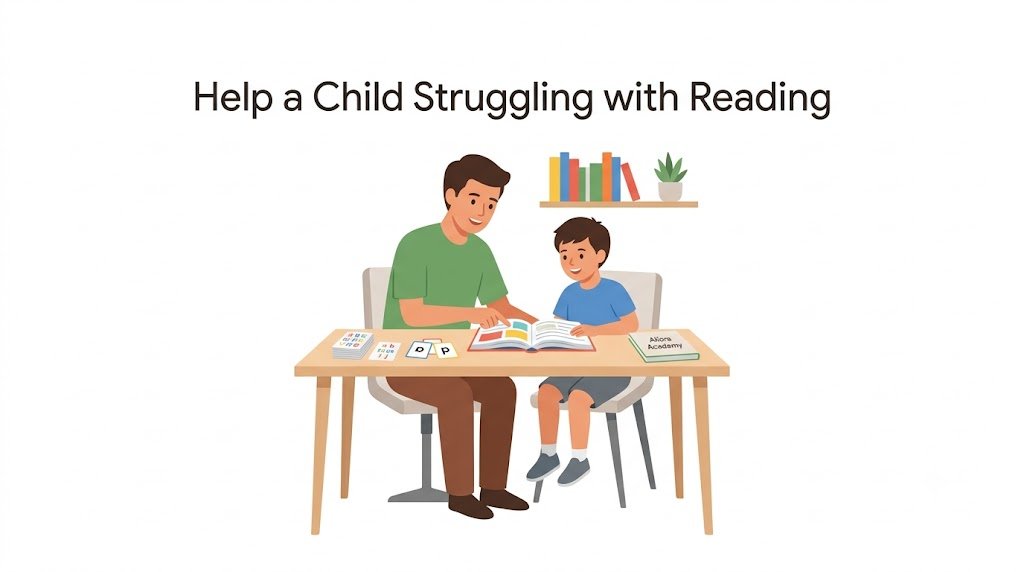
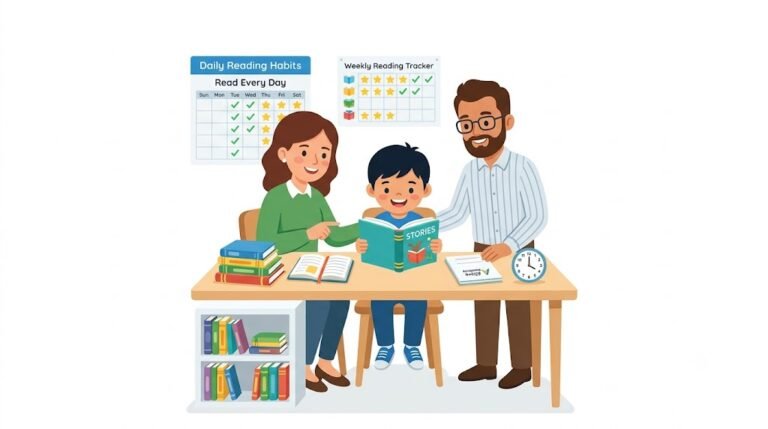
A calm, supportive reading environment is often the first and most important step in helping a struggling reader.
Watching your child struggle with reading can feel overwhelming. You may wonder if you're doing enough, if there's a deeper issue, or if your child will ever enjoy books the way other children seem to. These worries are completely normal — and you are far from alone. Many children encounter reading difficulties at some point, and with the right support, most go on to become capable, confident readers.
The key is understanding that reading struggles are rarely about intelligence or effort. More often, they stem from gaps in foundational skills, a mismatch between the child and the reading material, or simply a need for more individualized practice. When you know how to help a child struggling with reading in a way that feels safe and encouraging, progress follows naturally.
This guide walks you through why children struggle, what you can do at home and in the classroom, and which resources genuinely make a difference — all grounded in well-established educational practices. For more background on reading development, you can explore our blog, which features in-depth articles on early literacy and learning.
Why Do Some Children Struggle with Reading?
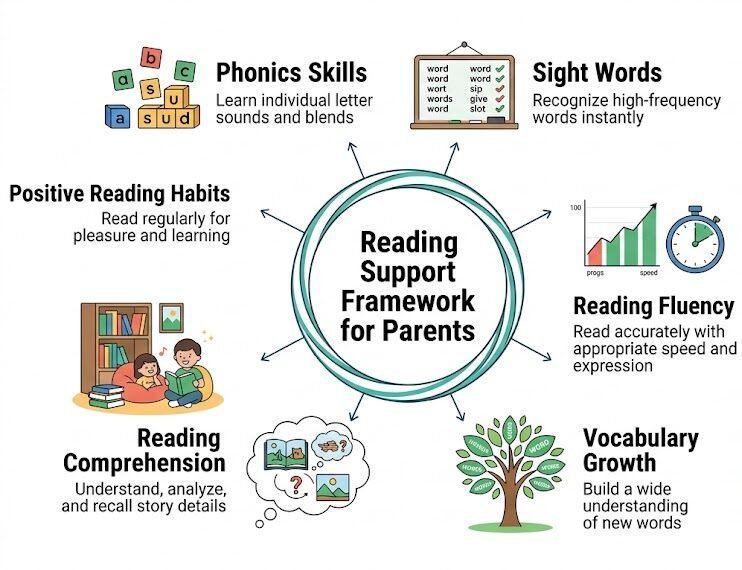
Before jumping into solutions, it helps to understand the root causes. Reading is not a single skill but a complex interplay of several cognitive processes. When one area lags, the entire reading experience can feel difficult.
Common reasons children find reading challenging include:
- Phonemic awareness gaps — Difficulty hearing and manipulating the individual sounds in words.
- Phonics and decoding weaknesses — Trouble connecting letters to sounds and blending them into words.
- Limited vocabulary — Not knowing enough words to understand what is being read.
- Low reading fluency — Reading slowly and laboriously, which drains mental energy away from comprehension.
- Comprehension difficulties — Being able to read the words but struggling to grasp meaning. For a deeper dive into this critical skill, see our guide on improving 3rd grade reading comprehension.
- Attention and focus challenges — Difficulty sustaining concentration long enough to follow a passage.
- Lack of confidence or reading anxiety — Past frustration causing the child to shut down before even trying.
Recognizing signs of frustration early allows parents and teachers to adjust their approach before a child disengages completely.
What Are the Signs Your Child May Need Extra Reading Support?
Children don't always come out and say, "I'm having trouble reading." Instead, they often show their frustration through behavior. Recognizing these signs early can prevent a temporary struggle from becoming a long-term avoidance pattern.
Watch for these indicators:
- Avoiding reading aloud or making excuses to stop reading.
- Guessing words based on the first letter rather than sounding them out.
- Complaining that books are boring or for "little kids."
- Becoming visibly anxious or upset when asked to read.
- Reading slowly with no expression or natural phrasing.
- Being unable to retell what they just read, even a simple passage.
- Struggling to remember sight words that should be automatic by their grade level.
A single sign does not necessarily indicate a serious problem, but a pattern of several over time is worth addressing. The earlier you intervene, the easier it is to close the gap.
Foundational Skills Every Struggling Reader Needs to Strengthen
When you set out to help a child who is having difficulty, it's helpful to think in layers. Reading builds from the ground up. If the bottom layers are shaky, everything above them wobbles.
The Reading Pyramid: Skills That Build on Each Other
- Phonemic Awareness — Hearing and playing with sounds in spoken words (rhyming, segmenting, blending).
- Phonics and Decoding — Knowing which letters represent which sounds and blending them to read words.
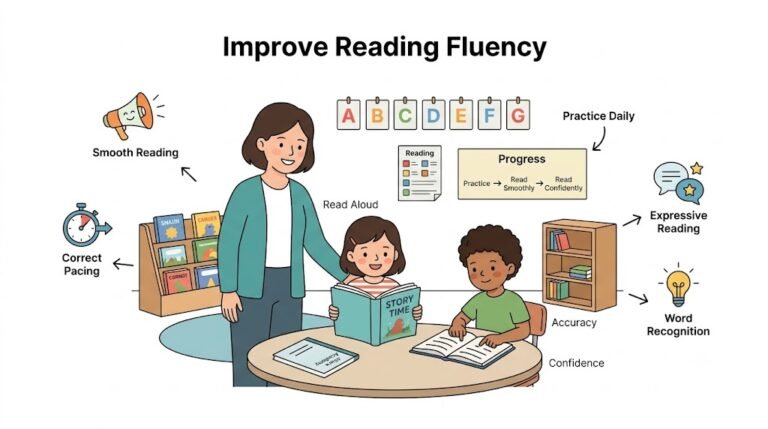
- Fluency — Reading accurately, at a conversational pace, with expression that reflects comprehension.
- Vocabulary — Understanding the meaning of words encountered in text.
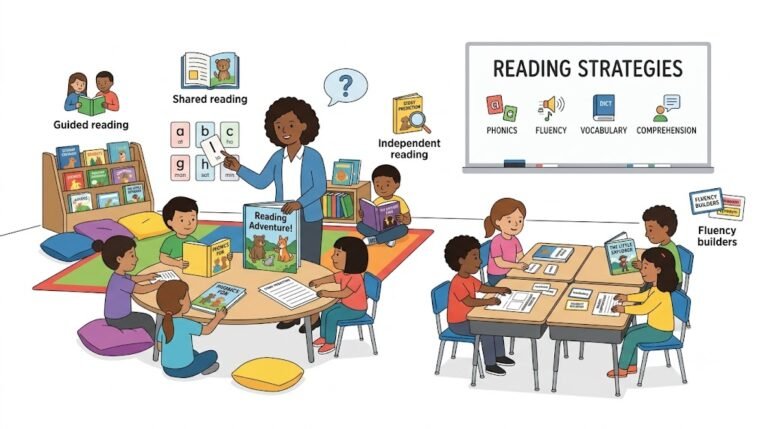
- Comprehension — The ultimate goal: understanding, interpreting, and thinking critically about what was read.
Many struggling readers need to go back and reinforce the lower levels before they can succeed with comprehension. For example, a fourth grader who reads haltingly may need targeted phonics practice — not just more time with grade-level texts. Our reading resources collection includes materials organized by skill level so you can target the exact area that needs attention.
How Can Parents Help a Struggling Reader at Home?
You don't need to be a reading specialist to make a meaningful difference. Consistent, low-pressure support at home often produces remarkable results over time.
Create a Pressure-Free Reading Environment
Children who struggle with reading are often acutely aware of their difficulties. They may feel embarrassed or ashamed. The most important thing you can do is remove the pressure. Let your child know that reading is a skill that improves with practice — just like riding a bike or learning a sport — and that struggling is part of the process, not a sign of failure.
Use Paired Reading
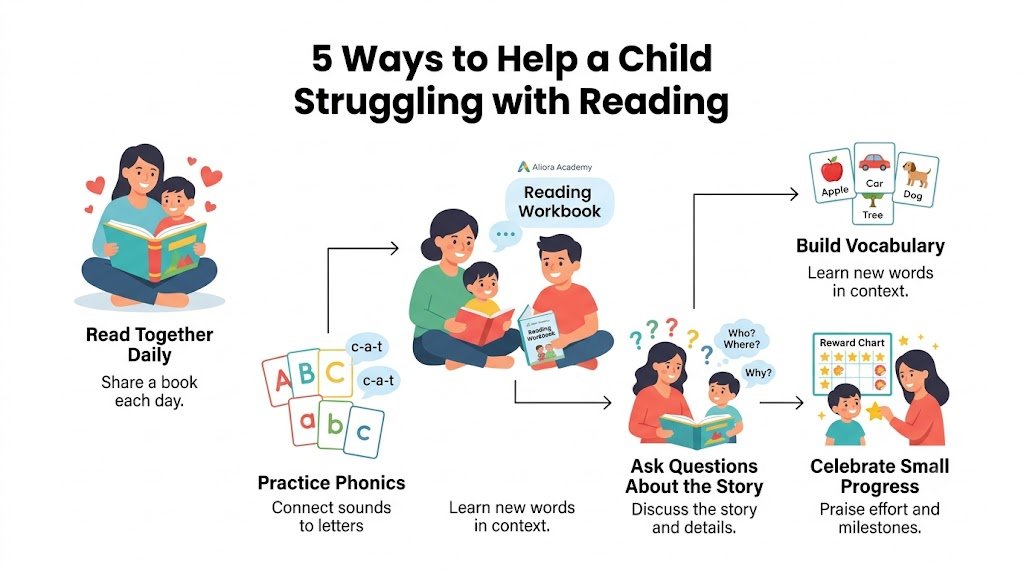
Paired reading, also called shared reading, involves you and your child reading aloud together. You set the pace and model fluent reading while your child joins in as they feel comfortable. Over time, your voice fades and theirs takes over. This technique builds fluency without the anxiety of solo performance.
Focus on One Skill at a Time
It's tempting to correct every mistake, but that can overwhelm a struggling reader. Instead, choose one focus per session. Maybe today you only notice vowel sounds. Tomorrow, you pay attention to reading with expression. This targeted approach feels manageable and builds specific skills faster.
Make Reading Social
Read the same book your child is reading so you can talk about it. Ask genuine questions: "What do you think is going to happen?" "Which character do you like best?" These conversations deepen engagement and help your child see reading as a shared experience rather than a solitary test. For more ideas, browse our blog for reading activities and book suggestions.
What Strategies Work Best in the Classroom or Tutoring Setting?
Teachers and tutors have the advantage of structured instructional time. The strategies below are backed by decades of classroom experience and reading research.
Explicit, Systematic Phonics Instruction
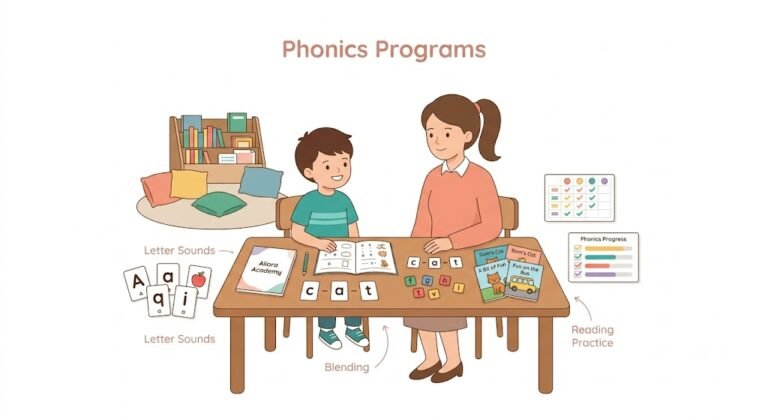
For children with decoding difficulties, implicit or incidental phonics is rarely enough. They benefit from direct, step-by-step teaching that moves from simple letter-sound relationships to more complex patterns. This approach leaves no gaps and gives struggling readers a reliable system for tackling unfamiliar words.
Multisensory Techniques
Engaging multiple senses — sight, sound, touch, and movement — strengthens memory connections. Have children trace letters in sand while saying the sound, tap out syllables on their arm, or build words with magnetic letters. These techniques are especially helpful for children who learn differently.
Repeated Reading for Fluency
Choose a short passage at the child's instructional level. Have them read it several times over a few days, tracking their speed and accuracy. Repeated reading builds automaticity — the ability to recognize words instantly — which frees up mental energy for comprehension. It's simple, evidence-based, and highly effective.
Pre-Teaching Vocabulary
Before introducing a new text, pull out three to five key words and teach them explicitly. Show the word, say it, define it in child-friendly language, and use it in several sentences. When the child encounters the word during reading, it feels familiar rather than intimidating.
Choosing the Right Reading Resources for a Struggling Reader
Not all reading materials are created equal, and a struggling reader needs resources that match their instructional level — not just their grade level. Here's what to look for when selecting books, workbooks, and digital tools.
| What to Look For | What to Avoid |
|---|---|
| High-interest topics at a lower reading level | Books labeled for much younger children that may feel embarrassing |
| Controlled vocabulary with predictable patterns | Randomly difficult words that cause constant stumbling |
| Short passages that build stamina gradually | Dense, text-heavy pages with no visual breaks |
| Comprehension questions that include literal and inferential types | Questions that only test surface-level recall |
| Audio support or read-along options | Resources that require complete independence before the child is ready |
| Clear, uncluttered page layouts | Busy designs that distract or overwhelm |
If you're unsure where to start, our reading resources page features materials curated specifically for children who need extra support, including decodable books, phonics workbooks, and fluency-building activity sets. You can also visit our homepage to see our full range of educational tools and articles.
Choosing books with high-interest content at an accessible reading level can reignite a struggling reader's motivation.
Common Mistakes to Avoid When Helping a Struggling Reader
Even well-meaning parents and teachers can inadvertently make reading harder for a child. Being aware of these common pitfalls can save time and prevent frustration.
Real-Life Examples of Helping a Child Struggling with Reading
Example 1: The Anxious Avoider
Situation: Sophia, age 7, cries when asked to read and hides her books. Her teacher says she is falling behind her peers in first grade.
Challenge: Past experiences of stumbling over words in front of classmates have created deep reading anxiety. Sophia now associates reading with embarrassment.
Solution: Her parents stopped all pressured reading activities for two weeks. Instead, they read aloud to her daily — funny, engaging picture books with no expectation that she read back. Gradually, they introduced echo reading: the parent reads a sentence, and Sophia repeats it. The focus was entirely on enjoyment and connection.
Learning Outcome: Within six weeks, Sophia began volunteering to read short sentences on her own. Her anxiety decreased as reading became associated with warmth rather than judgment.
Takeaway: Rebuilding a positive emotional connection to reading must come before any skill instruction.
Example 2: The Decoding Gap
Situation: Leo, age 9, is in fourth grade but reads at a second-grade level. He guesses wildly at unfamiliar words and becomes exhausted after a few paragraphs.
Challenge: Leo's phonics foundation is full of holes. He never mastered vowel teams, silent-e patterns, or multisyllable decoding strategies.
Solution: His tutor implemented a systematic phonics program, starting from where Leo's gaps began — not where his grade level suggested. They used magnetic letters, word sorts, and decodable texts designed for older readers. Each session included only ten minutes of new instruction followed by games to reinforce the pattern.
Learning Outcome: After four months of consistent, targeted work, Leo's decoding accuracy improved significantly. He began to approach unfamiliar words with strategies instead of guesses.
Takeaway: When a child has decoding gaps, the most efficient path forward is to fill them systematically — not to push grade-level text harder.
Example 3: The Older Struggling Reader
Situation: Mia, age 11, can read but avoids it entirely. She says books are boring and uses every excuse to do something else. Her comprehension scores are below benchmark.
Challenge: Years of reading difficulty have convinced Mia that reading is simply not for her. She has never experienced a book she couldn't put down.
Solution: Her parents and teacher collaborated to find high-interest, lower-reading-level books in genres Mia already loved — graphic novels, realistic fiction about friendship, and short nonfiction about animals. They also introduced audiobooks paired with the printed text, allowing Mia to follow along without the labor of decoding every word.
Learning Outcome: Mia found a graphic novel series she loved and read six books in two months. Her stamina and confidence grew because the content was genuinely engaging and the format was accessible.
Takeaway: For older struggling readers, the right book at the right level — combined with audio support — can be a turning point. Never underestimate the power of matching content to a child's authentic interests.
When Should You Seek Additional Professional Support?
While many reading struggles improve with consistent home and classroom support, some children need more specialized intervention. Knowing when to reach out can save months or years of frustration.
Consider seeking an evaluation if:
- Your child has received consistent, targeted support for several months and shows little to no progress.
- There is a family history of dyslexia or other learning differences.
- Your child's frustration is affecting their overall attitude toward school and learning.
- A teacher has expressed concern and recommended further assessment.
- Your child shows significant discrepancies between verbal ability and written reading skills.
Professional support might include a reading specialist, educational therapist, or a structured literacy program such as Orton-Gillingham. These approaches are intensive, multisensory, and designed specifically for children with persistent reading difficulties. For guidance on finding the right resources, feel free to contact us with your questions.
Frequently Asked Questions About Helping a Child Struggling with Reading
How do I know if my child's reading struggle is serious?
Occasional difficulty is normal. Concern is warranted when struggles persist despite consistent support, when your child actively avoids reading, or when there is a noticeable gap between their reading level and grade-level expectations. A conversation with your child's teacher is a good first step to gauge the severity.
Can a child catch up if they are behind in reading?
Absolutely. With targeted instruction and consistent practice, most children can close the gap. The earlier intervention begins, the faster progress typically occurs, but improvement is possible at any age. The key is identifying the specific skill gaps and addressing them systematically.
Should I make my child read every day?
Daily reading practice is beneficial, but the quality of the experience matters far more than the quantity. A positive, engaged ten-minute session is far more valuable than a forced, tearful thirty minutes. Meet your child where they are and build from there.
What is the difference between a reading difficulty and dyslexia?
Reading difficulties can stem from many causes — gaps in instruction, limited exposure, attention challenges, or environmental factors. Dyslexia is a specific, neurobiological learning difference that affects how the brain processes written language. It requires specialized, structured literacy instruction. Only a qualified professional can make a formal diagnosis.
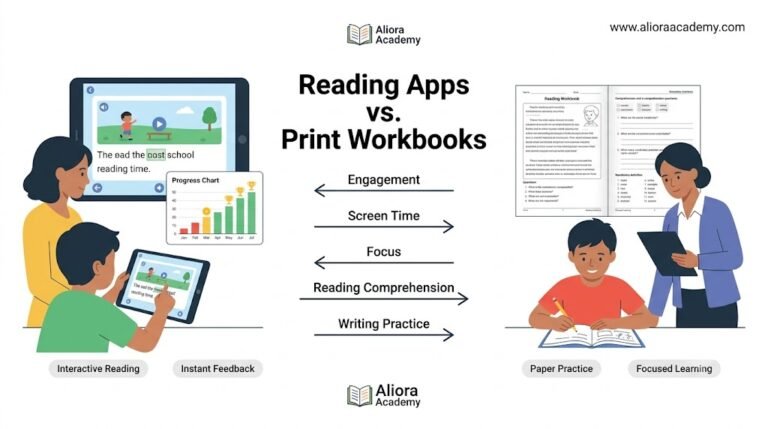
Are digital reading apps helpful for struggling readers?
Some apps can be excellent supplements, particularly those that offer systematic phonics practice, read-along features, or engaging content at controlled reading levels. However, apps work best when combined with human interaction and discussion. They are tools, not replacements for supportive adult guidance.
How long does it take to see improvement?
Progress varies widely depending on the child, the nature of the difficulty, and the consistency of support. Some children show noticeable gains within a few weeks; others need several months of steady work. Patience and consistency are your most important allies. Celebrate small victories along the way.
What if my child hates all the books I suggest?
This is common. Try broadening the definition of reading material — magazines, graphic novels, instruction manuals, joke books, and audiobooks all count. Involve your child in the selection process, and don't be afraid to abandon a book that isn't working. The goal is to help them find something they want to read. Our homepage features curated lists that cater to a wide range of interests and reading levels.
Should I focus on phonics or comprehension first?
It depends on the root of the struggle. If your child cannot decode words accurately, phonics should be the priority. If they can read words but don't understand them, focus on vocabulary and comprehension strategies. Many children need work in both areas simultaneously. A skilled reading resource can help you determine the right starting point — browse our reading collection for materials organized by skill focus.
Moving Forward with Patience and Purpose
Helping a child who is struggling with reading is not about quick fixes or magic solutions. It's about steady, compassionate support that meets your child where they are and builds forward one small step at a time. Every child's reading journey looks different, and a slower start does not predict the final destination.
The most powerful tool you have is your own calm, consistent presence. When a child knows that reading time is safe — free from judgment, free from comparison, full of encouragement — they begin to take the risks that learning requires. Combine that emotional safety with targeted skill practice and the right resources, and progress is not just possible — it's probable.
Remember, you are not navigating this alone. Teachers, reading specialists, and fellow parents are part of your support network. Explore our reading resources for materials designed with struggling readers in mind, visit our blog for more guidance, and don't hesitate to contact us if you have questions about finding the right tools for your child.
Every child deserves to experience the joy of a good book and the confidence of knowing they can read. With patience, the right approach, and a belief in their potential, you can help your child get there.